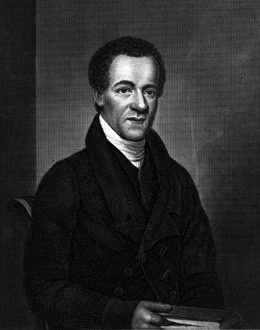
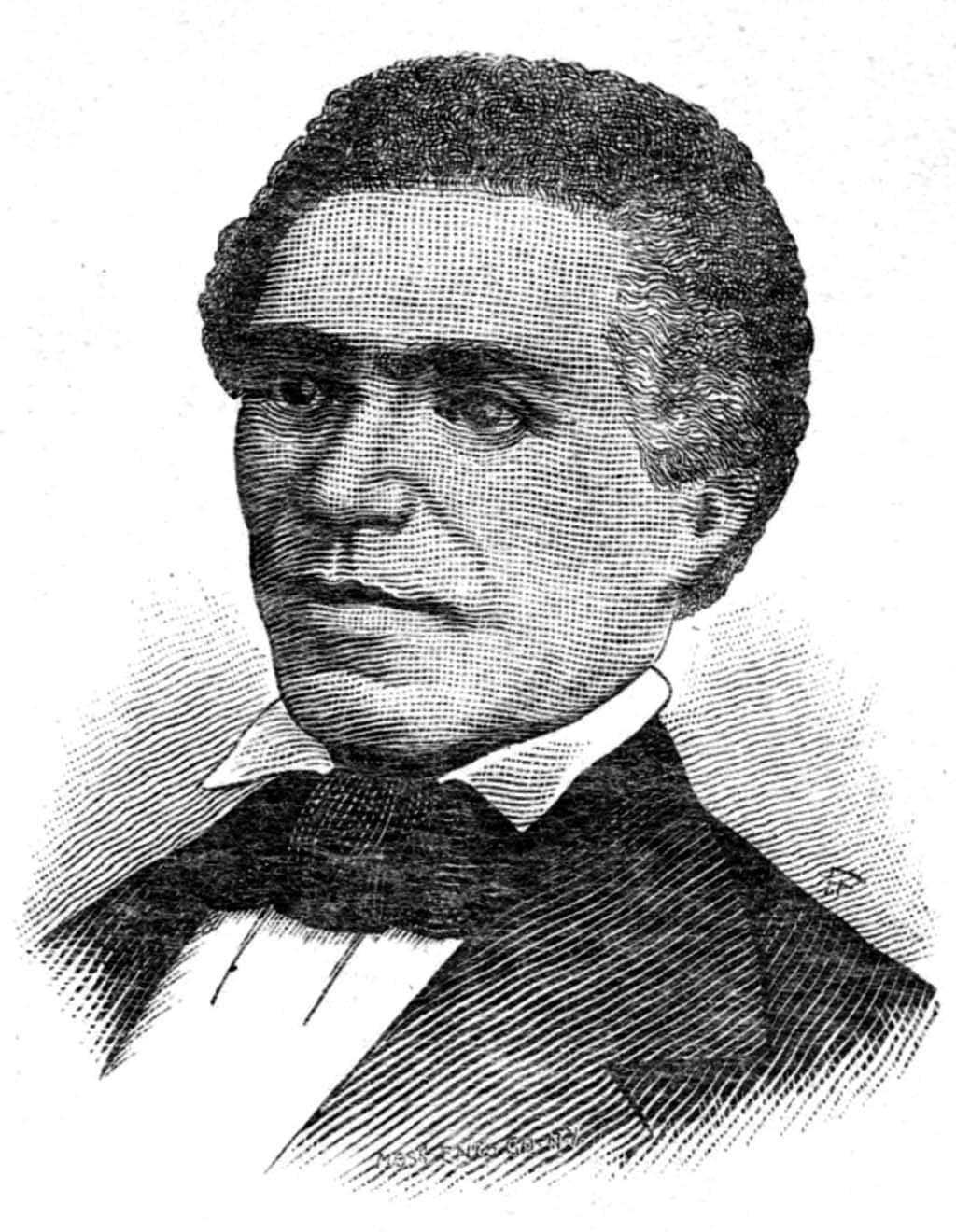
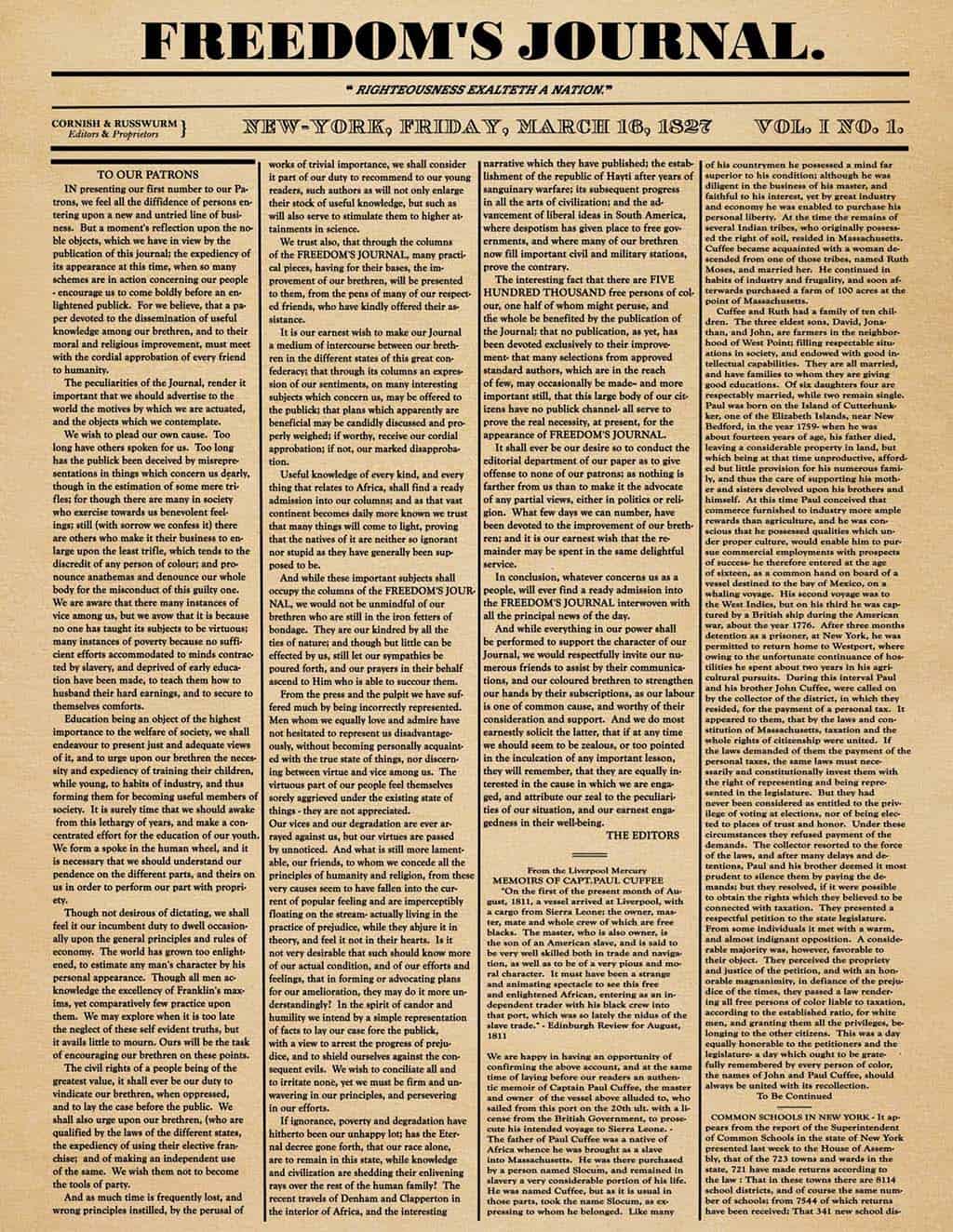
The history of Black journalism began nearly two centuries ago when the first Black-owned newspaper, Freedom’s Journal, was published in New York on 16 March 1827.
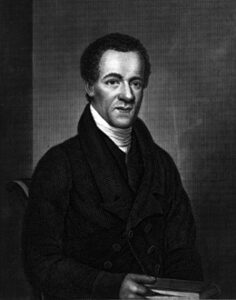
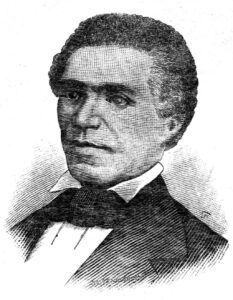
Founded by Samuel Cornish and John Brown Russwurm, the publication emerged in response to widespread exclusion and misrepresentation in mainstream media.
The editors set out their mission clearly in the paper’s first issue:
“We wish to plead our own cause. Too long have others spoken for us.”
Their aim was simple but powerful: To give Black communities control over their own voice, narrative and visibility. That principle became the foundation of the Black press tradition across the African diaspora.

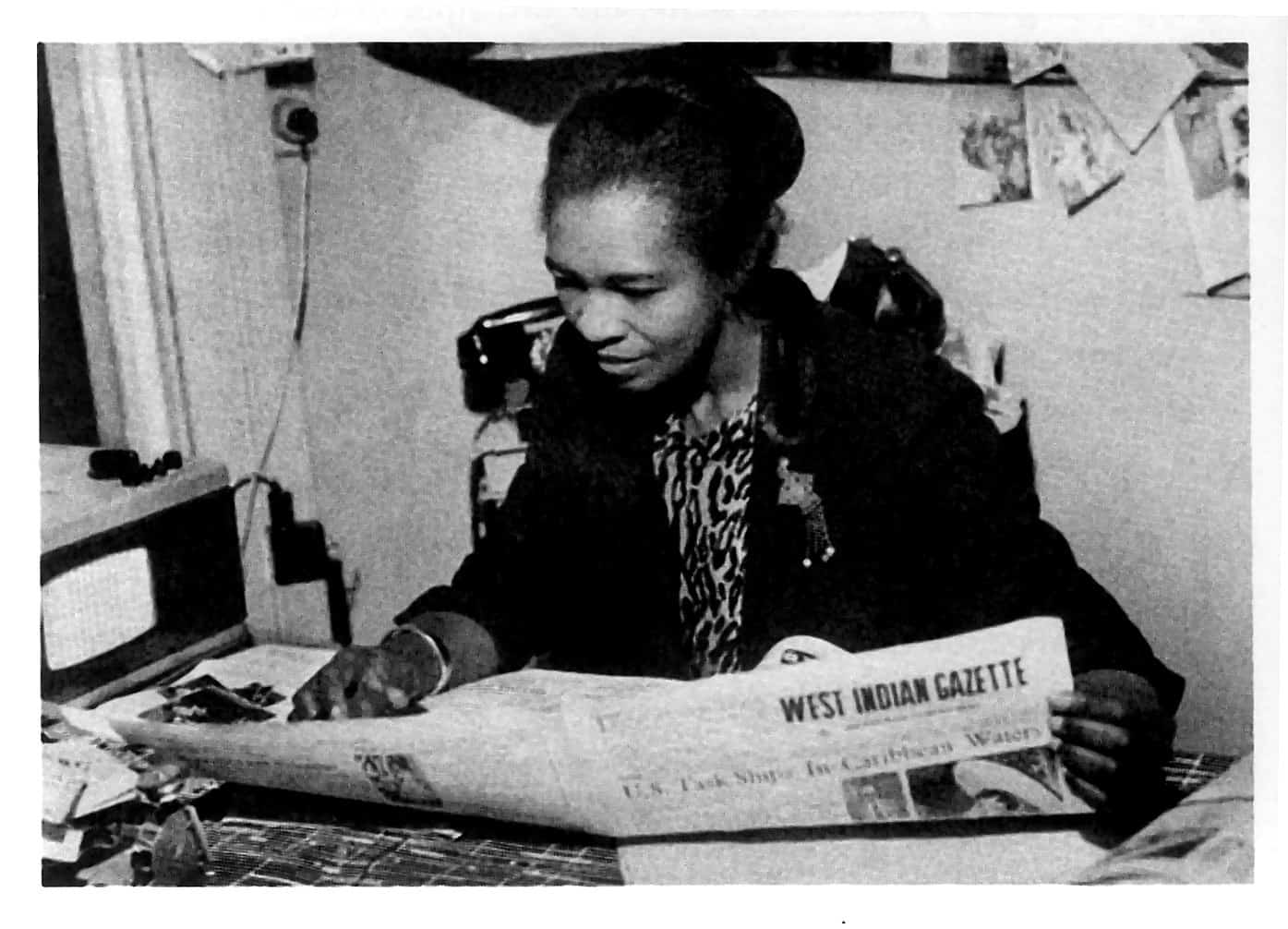
In Britain, this tradition later took shape through pioneering publications such as The African Times and Orient Review, founded in London in 1912 by Dusé Mohamed Ali, and the West Indian Gazette, established in Brixton in 1958 by Claudia Jones, which documented the experiences of the Windrush generation and championed racial justice.
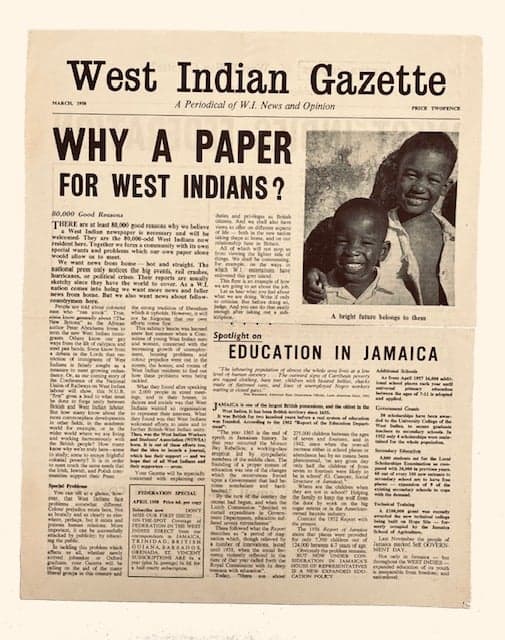
Today, that same spirit of community storytelling continues through local initiatives that document Black history at a city level.

In Bristol, the social enterprise Cognitive Paths, the organisation behind Bristol Black History Month, has launched a campaign to support the production of the 2027 Bristol Black History Month Magazine.
The annual publication documents Bristol’s Black history while also spotlighting the cultural leadership, entrepreneurship and community achievements shaping the city today. By bringing together past, present and emerging voices, the magazine not only preserves important stories but also helps inspire the next generation and shape the future narrative of Bristol’s diverse communities.
The 2027 edition will align with the national Black History Month theme “ 40 years of Black History Commemorations in the UK,”.
This year we acknowledge the 100 years since historian Carter G. Woodson established Negro History Week in 1926, the precursor to Black History Month in the US.
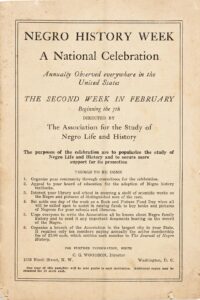
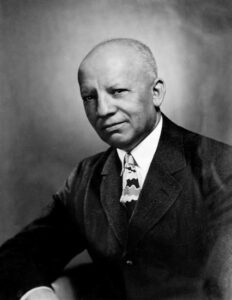
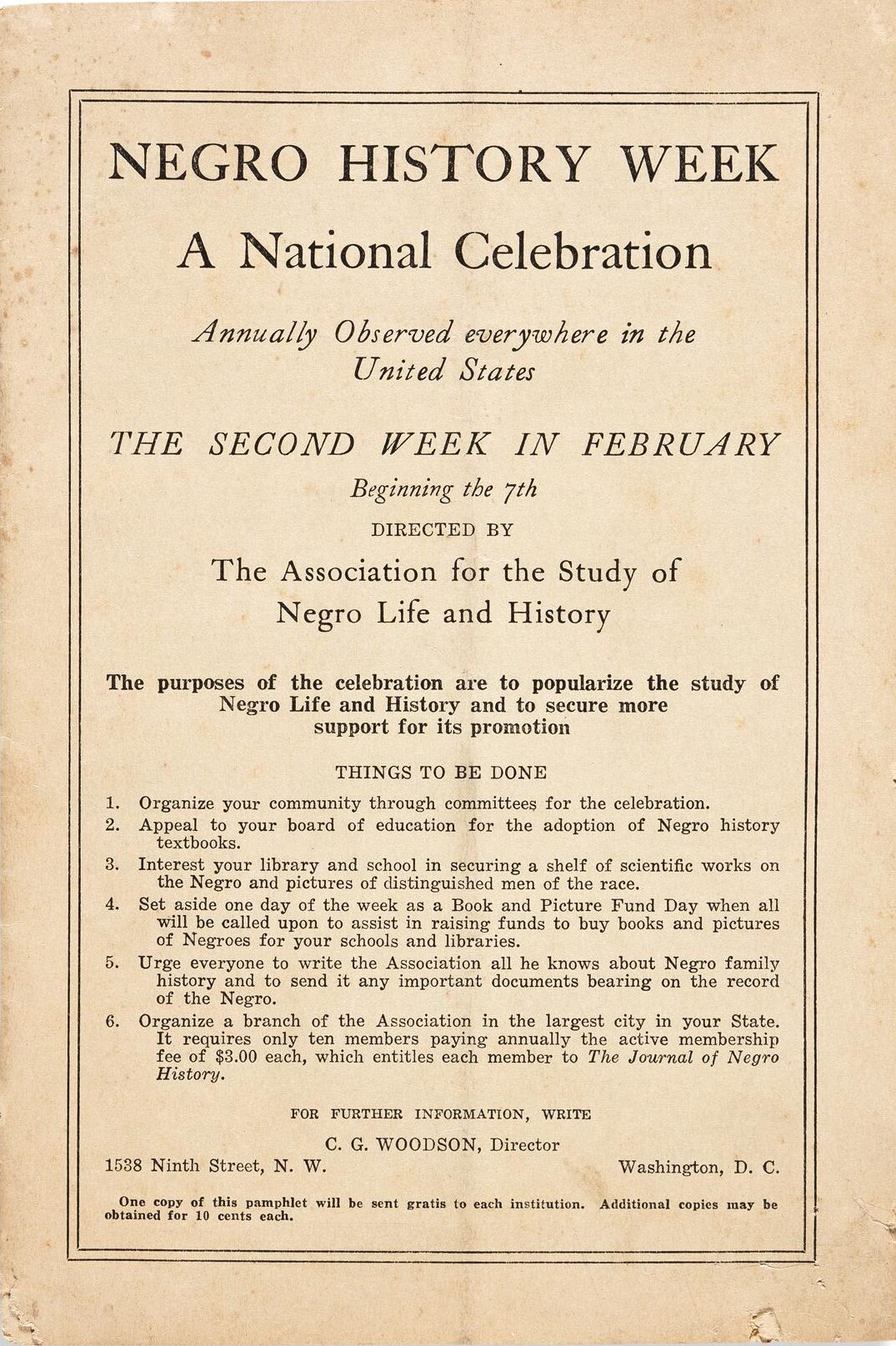
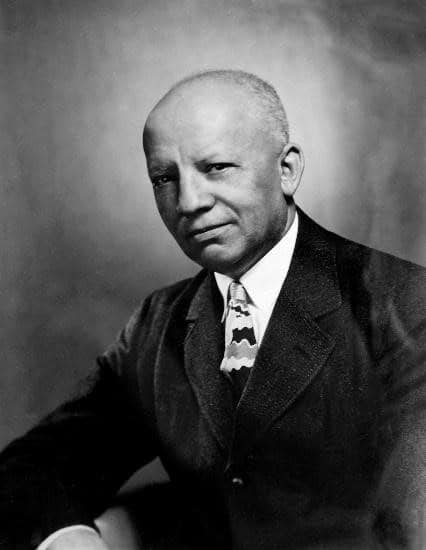
Organisers say the magazine plays an important role in building a lasting record of Bristol’s Black communities.
“The Bristol Black History Month magazine helps ensure that the stories of our community leaders, entrepreneurs, educators and cultural pioneers are documented and shared,” said the organising team. “Without platforms like this, many important local histories risk being lost.”
The 2027 edition will mark the seventh Bristol Black History Month magazine publication, continuing a growing archive of stories that celebrate Bristol’s diverse communities and contributions.
Early support is essential to produce and distribute the magazine across schools, libraries and community spaces. Supporters are therefore being encouraged to pre-order the 2027 edition or contribute to the campaign.
By placing an order or donation, supporters help continue a tradition of Black journalism that stretches back nearly two centuries — from the pages of Freedom’s Journal in 1827 to the stories of Bristol’s communities today.