Have you ever walked the corridors of the Bristol Royal Infirmary and wondered whose shoulders our modern NHS stands upon?
As we embrace the 2026 theme, “A Century of Black History Commemorations,” we honour the generations of brilliance who shaped Bristol’s healthcare.
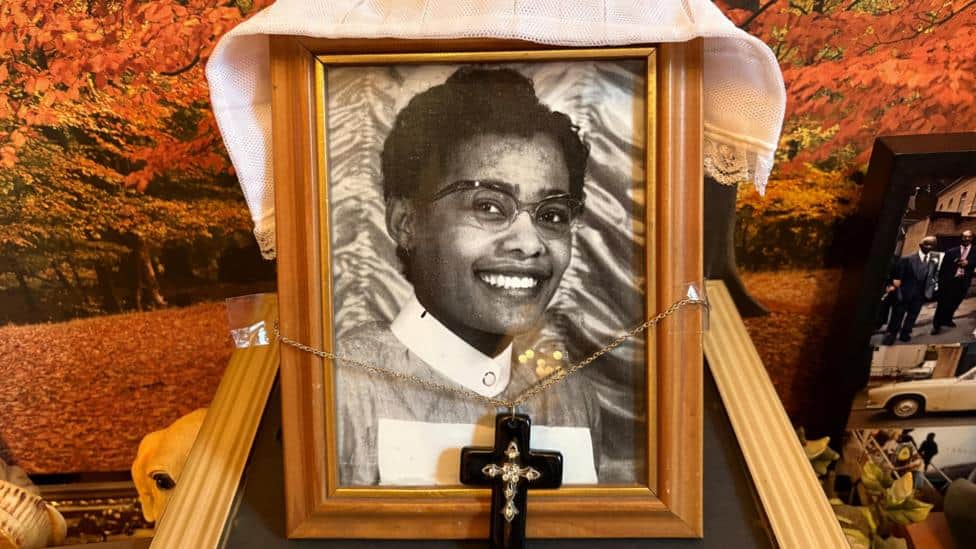
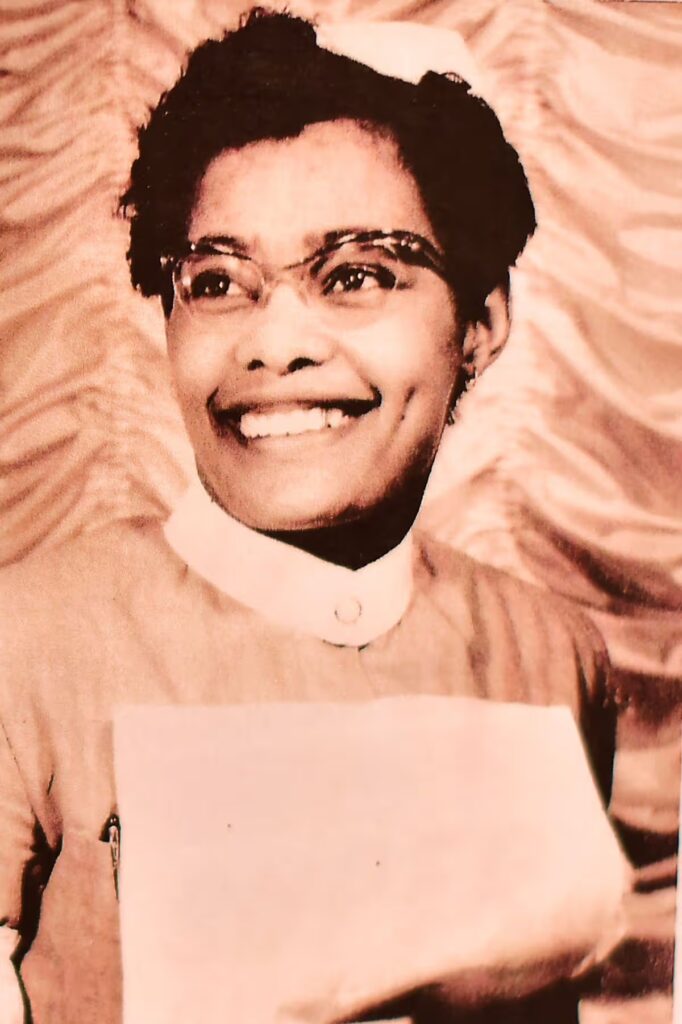
If you don’t know the story of Sister May Tanner – Bristol’s first Black hospital ward sister, you are missing a remarkable chapter of professional dedication and quiet leadership.
Origins and Resilience
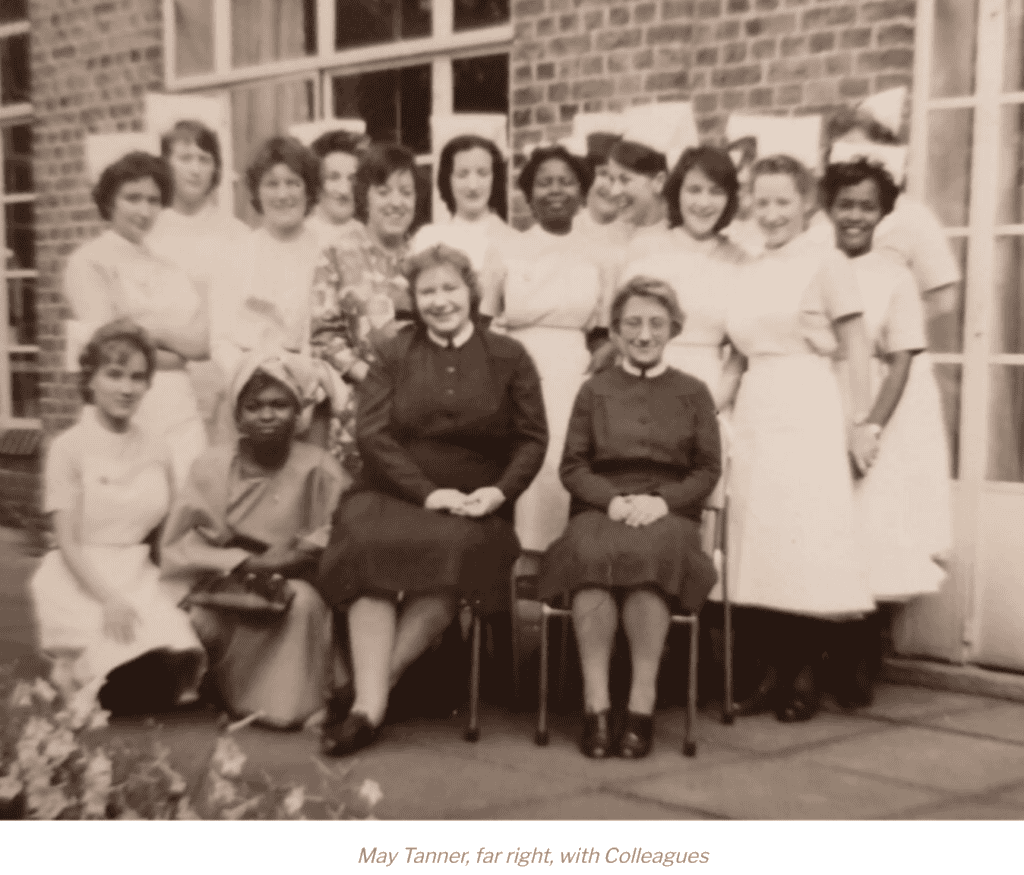
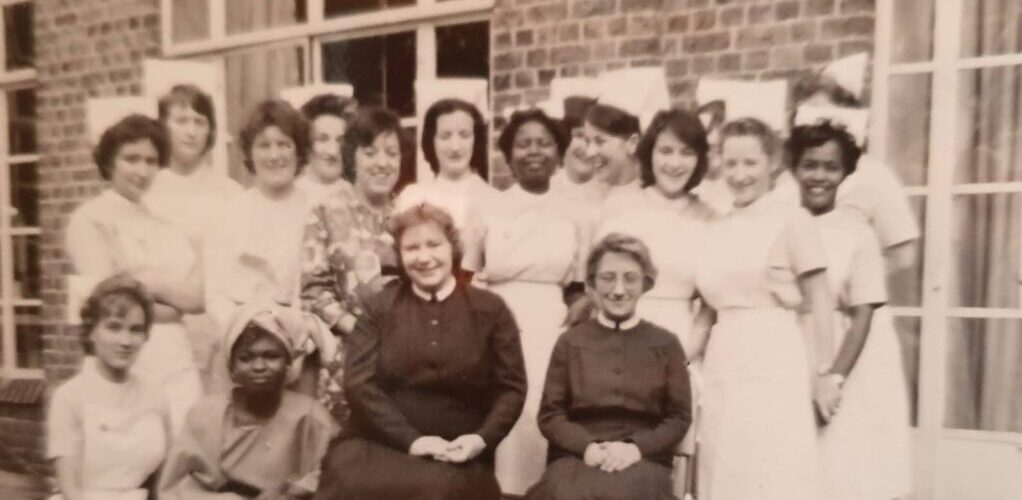
Answering Britain’s call to help rebuild the post-war NHS, May arrived in Bristol in 1956 to train as a psychiatric nurse at the Bristol Mental Hospital, now known as Glenside.
The environment she entered was far from welcoming. Like many Commonwealth nurses of the period, she encountered open racism and social isolation. She later recalled how some colleagues would deliberately cross the street to avoid her, treating her “as though you were an alien from somewhere.”
Despite this hostility, May remained focused on her professional goals. Her commitment to the profession saw her qualify as a Registered Mental Health Nurse in 1959, establishing the foundation of a career defined by resilience and excellence.
“We Proclaim It!” – Taking Control on Merit
May embodied the “We Proclaim It!” spirit through discipline, professionalism and determination.
In 1965, she moved to the Bristol Royal Infirmary, where she continued to expand her medical qualifications and develop her clinical leadership. The following year, she applied for a Ward Sister position.
Despite being widely regarded as the most qualified candidate, she was initially overlooked. However, her experience and professional standing were undeniable. A special meeting of senior medical staff was called to reconsider the appointment, and with the direct endorsement of senior professors, she was ultimately selected as the strongest candidate.
In 1966, May Tanner became Bristol’s first Black ward sister, securing the role entirely on merit and breaking a significant barrier within the city’s healthcare system.
Quiet Leadership, Lasting Impact
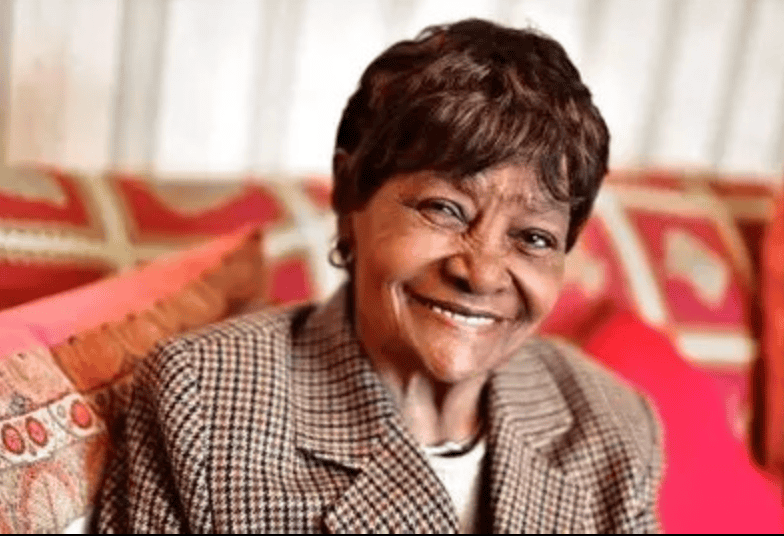
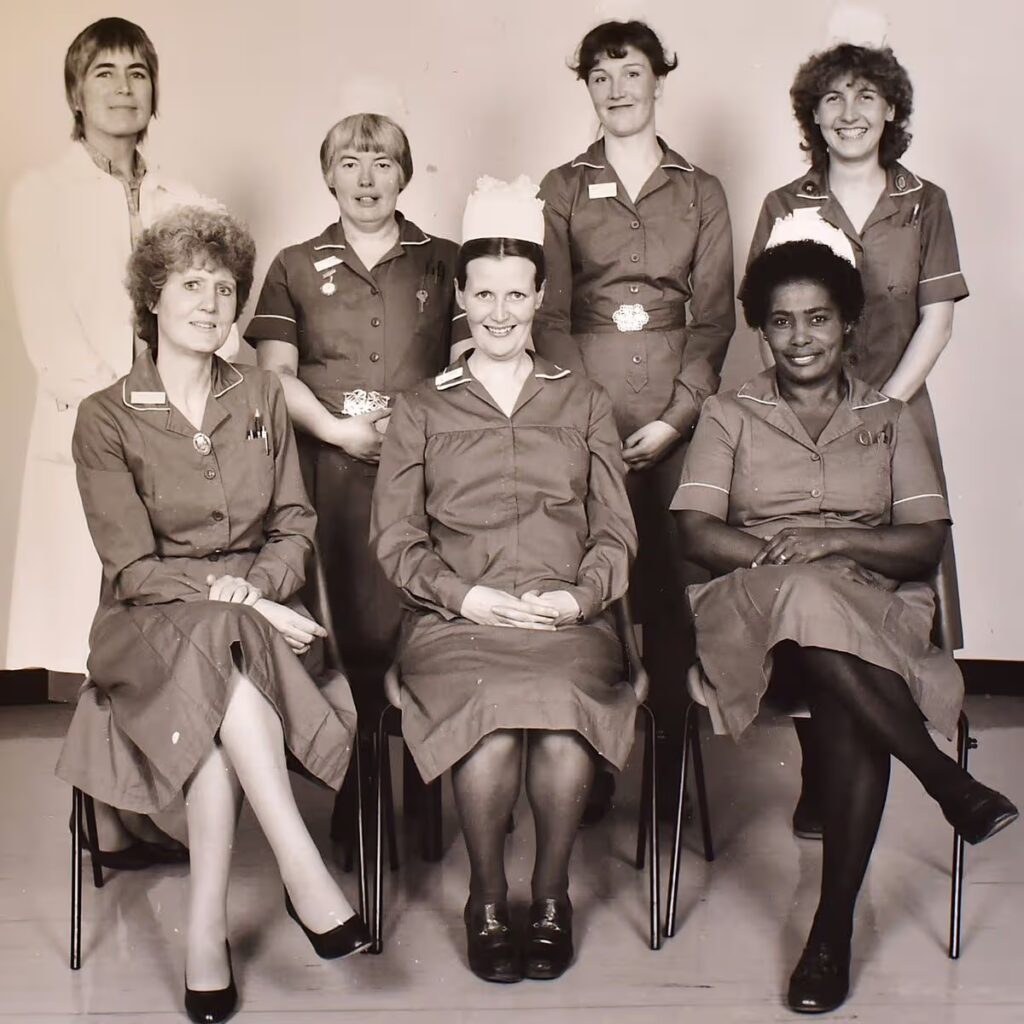
May’s promotion marked a historic milestone for Bristol’s NHS workforce. She went on to lead Ward 12 at the Bristol Royal Infirmary, where she served with dedication for more than two decades, remaining in the role until her retirement in 1990.
Her leadership style was steady and professional rather than public or outspoken. Living quietly in Southmead and focused on her work, she did not seek recognition for her achievements. As a result, her pioneering role remained largely unrecognised for many years.
Today, however, her contribution is understood as part of the wider story of the Commonwealth nurses who helped build and sustain Britain’s health service.
Through her professionalism and perseverance, Sister May Tanner helped transform the multi-racial character of Bristol’s healthcare workforce and opened pathways for future generations of Black nurses and medical professionals.
As May herself once reflected:
“I’m the type of person not to push myself forward… I just did my job… that was it.”
Want to learn more?
You can discover more about the experiences of Commonwealth nurses by visiting Glenside Hospital Museum in Fishponds.
The Answering the Call exhibition shares uniforms, oral histories and personal stories that honour the nurses whose dedication helped shape the NHS.