As we mark A Century of Black History Commemorations in 2026, we honour the lives that shaped our communities not only through titles or headlines, but through presence, protection and personal transformation.
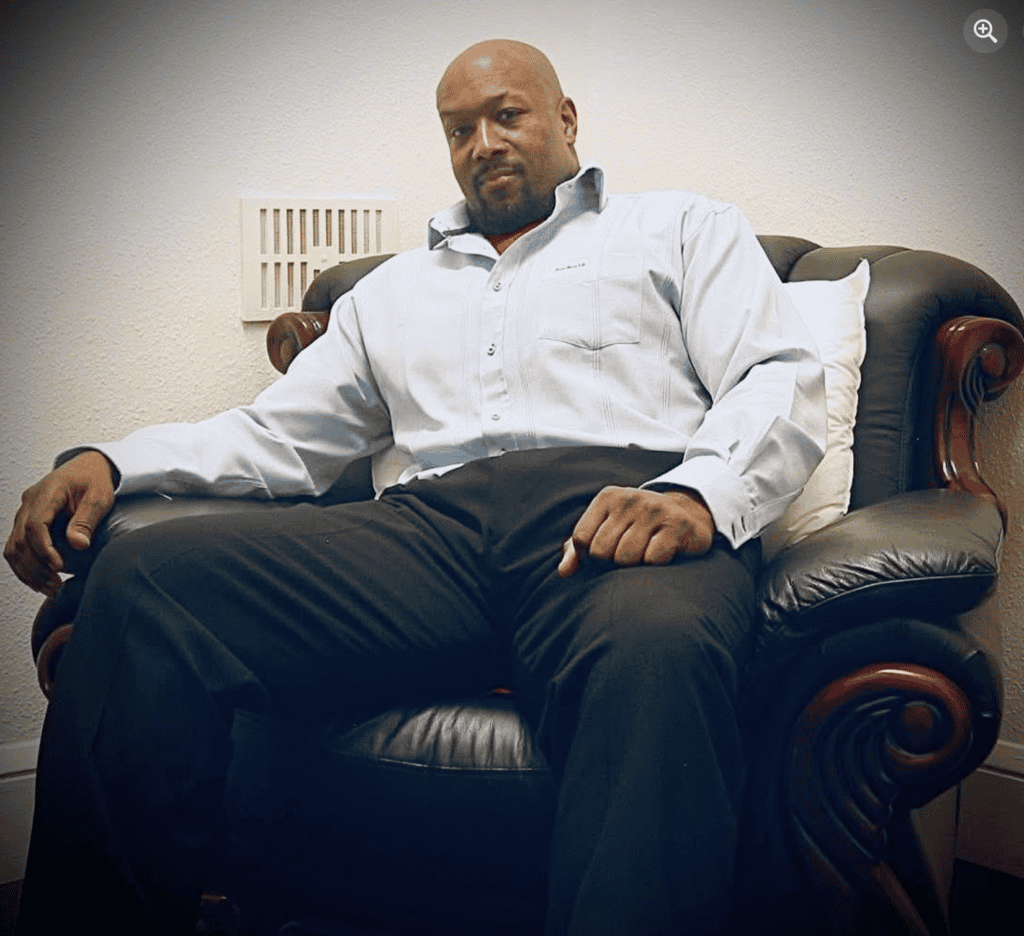
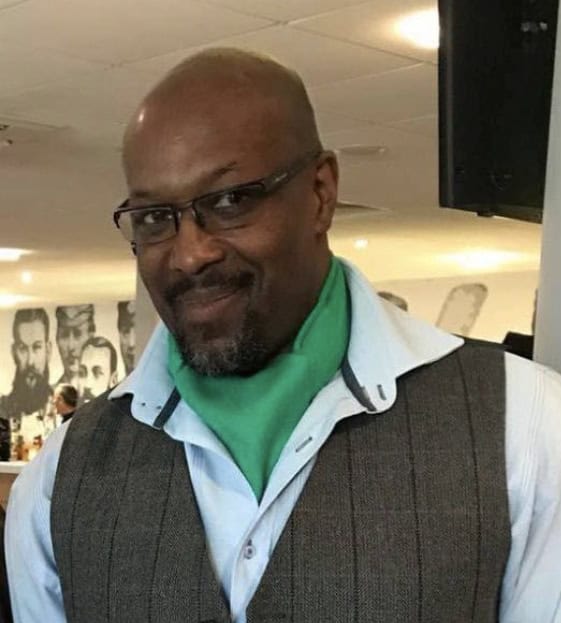
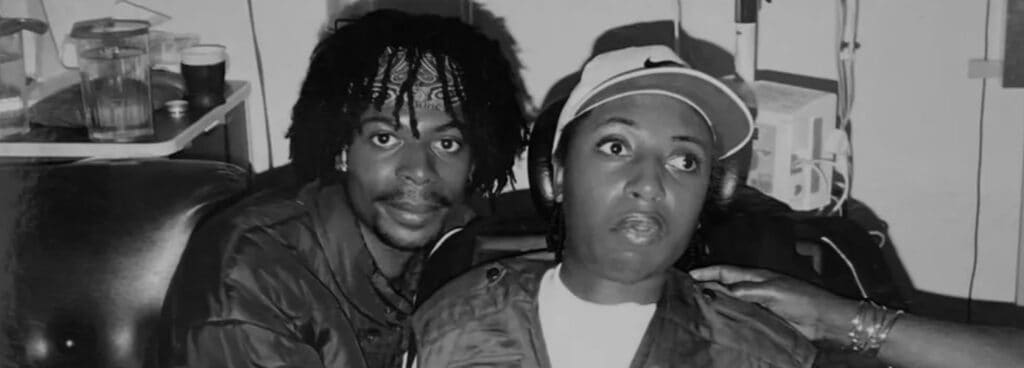
Christopher “Kris” Miles was one of those figures. A complex, formidable, private, yet deeply loving. His story forms part of Bristol’s living Black history: a story of resilience, reinvention, and fierce devotion to family.
Roots in St Paul’s: Forged by Environment
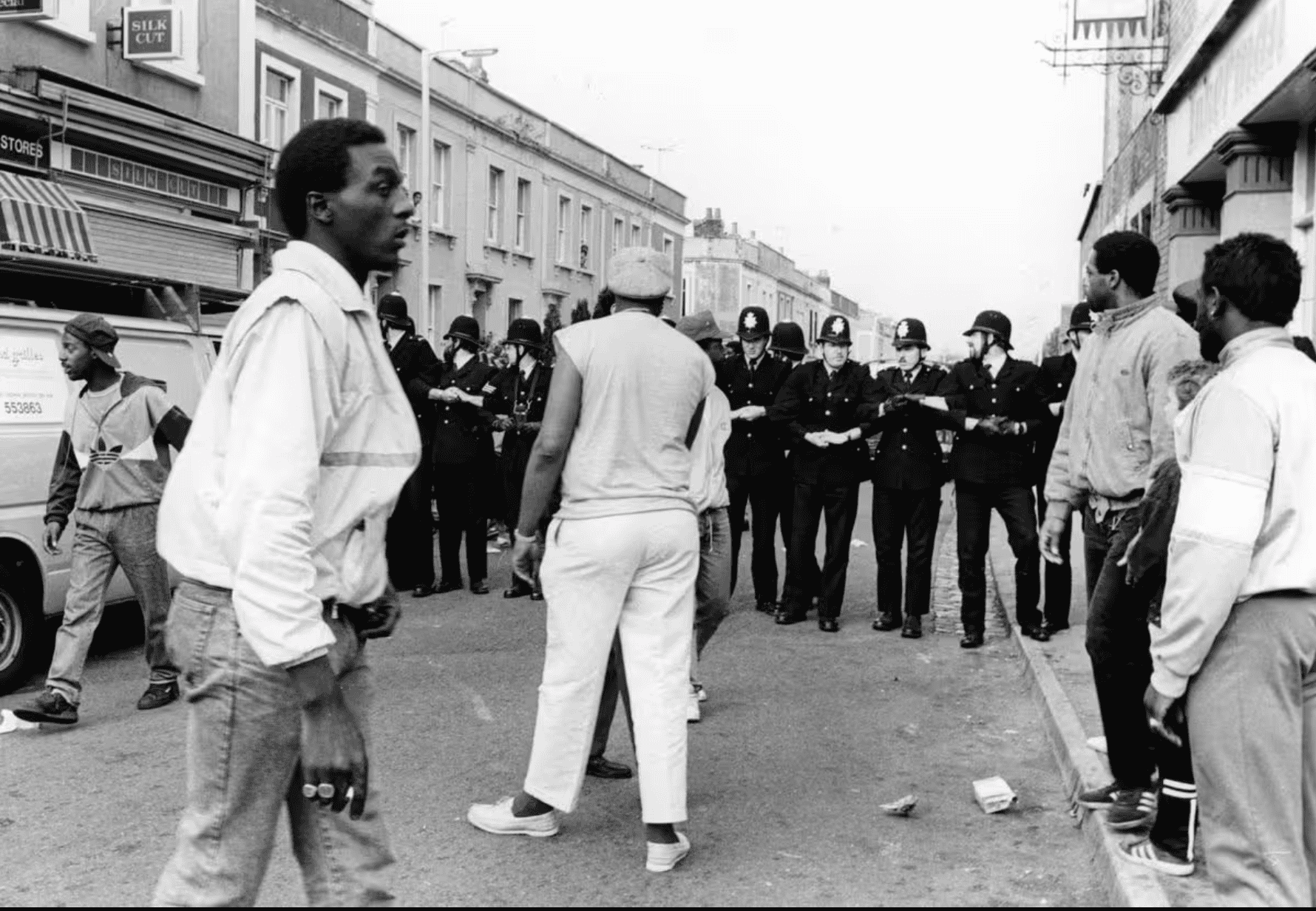
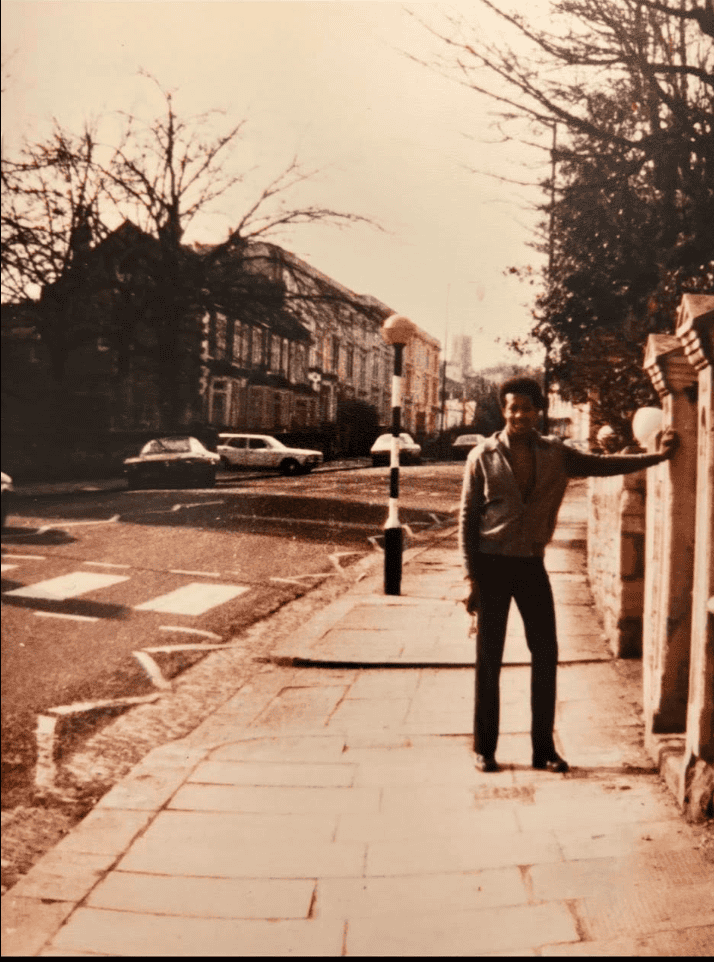
Born in London in 1964, Kris moved as a toddler to Badminton Road in St Paul’s. The area, rich in culture and Caribbean heritage, was also shaped by economic hardship and systemic inequality during the 1980s.
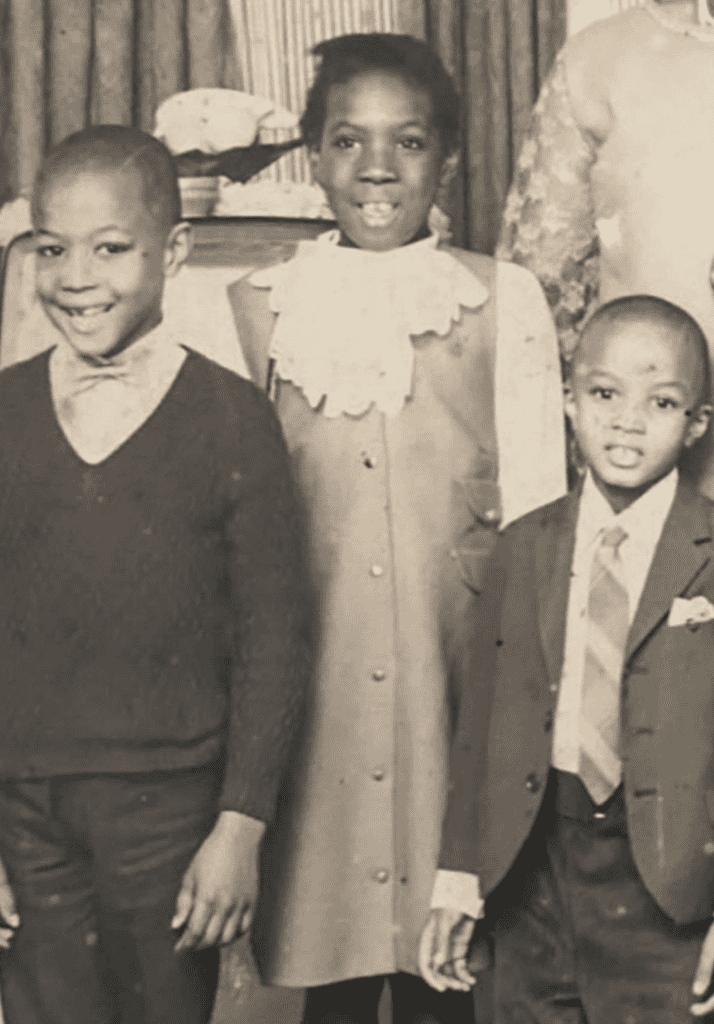
From a young age, Kris carried himself like a protector. To his sister Yvonne, he was the younger brother who stood firm when others could not. That instinct to shield, to defend, to hold the line would define much of his life.
Like many young Black men of that era, Kris encountered institutions that too often criminalised rather than nurtured. Time spent in detention centres, borstals and prisons marked his early years.
Yet those experiences did not extinguish him: They sharpened his perception, strengthened his resilience and gave him a deep understanding of human behaviour.
He learned how to read a room.
He learned how to prevent escalation.
He learned how to survive and later, how to guide.
“We Proclaim It!” – Reclaiming the Narrative
The 2026 BHM call to We Proclaim It! invites us to tell fuller truths about our lives. Kris’s story challenges narrow labels.
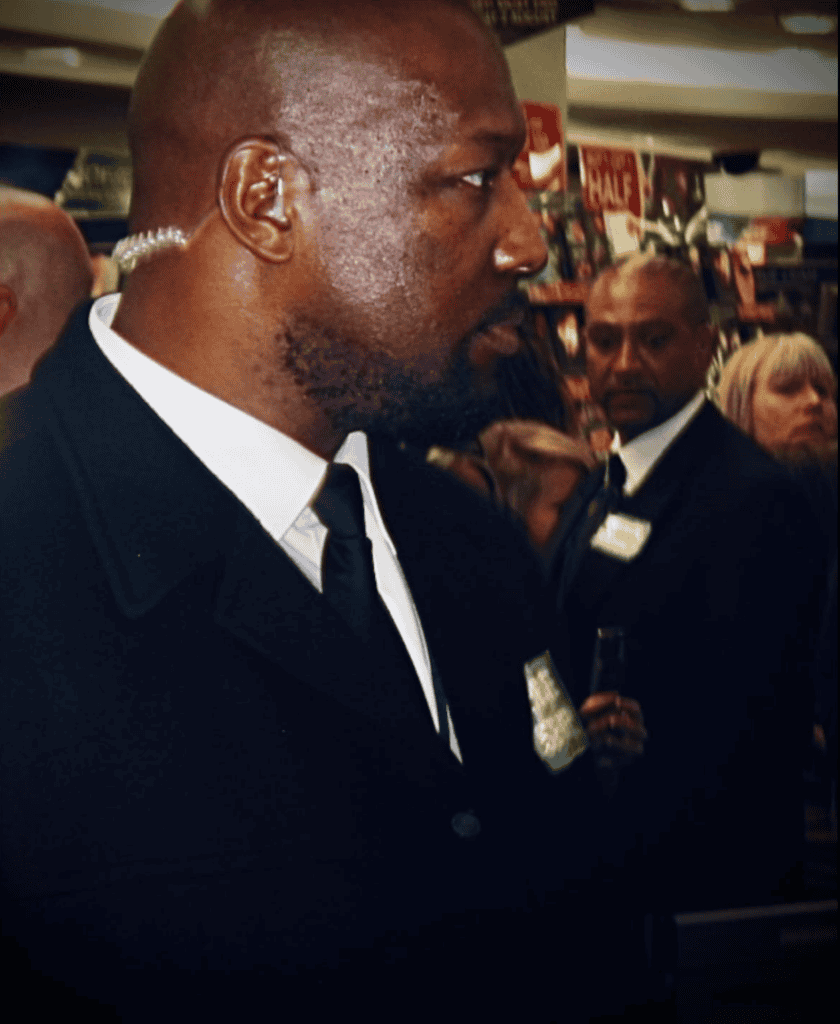
Throughout the 1990s, he became a respected presence within Bristol’s nightlife and community venues. At the Malcolm X Centre and other spaces, Kris and his team provided security during an era when tensions could quickly rise.
But his authority did not rest solely on physical strength. It was grounded in credibility and trust. He could mediate between rival groups, calm volatile situations and restore order with his presence alone. Faith leaders, including a local Imam, sought his intervention in moments of crisis.
He understood something profound: protection is not about intimidation; it is about responsibility.
Discipline, Enterprise and Reinvention
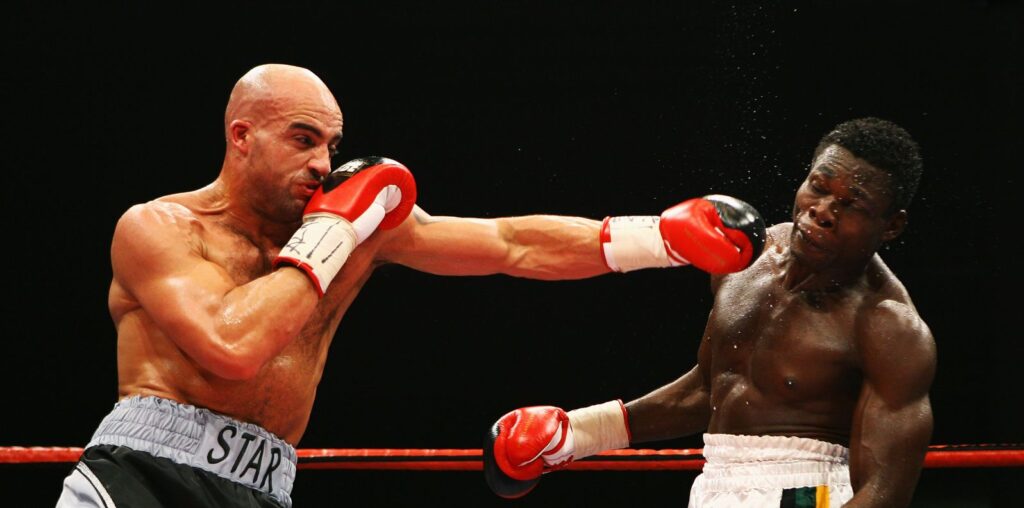
Kris was also a gifted athlete, competing in wrestling at the European level. Sport provided structure and discipline qualities he carried into business when he later ran his own venue, Club Crème.
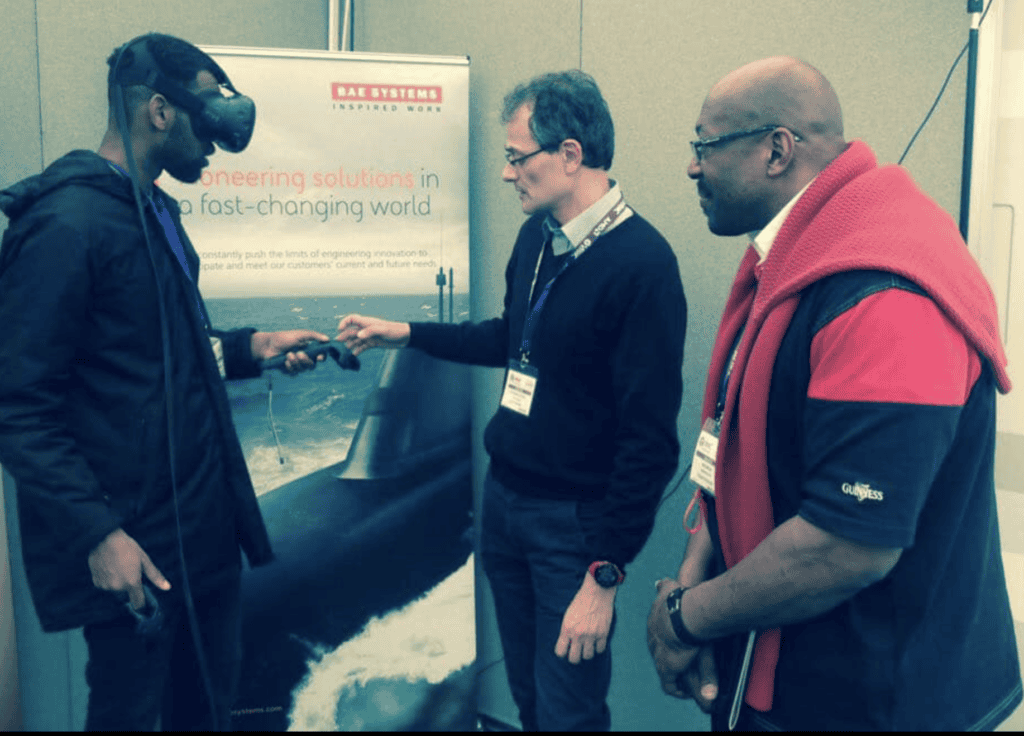
Yet his most powerful reinvention came later in life. Refusing to be defined by earlier chapters, he styled himself a “Mortality Navigator” and pursued professional training in restorative justice and conflict management.
He mentored young people, particularly those navigating the criminal justice system, translating hard-earned experience into guidance. He redirected street knowledge into prevention.
His life reminds us that transformation is itself a form of leadership.
The Private Legacy: Father and Protector
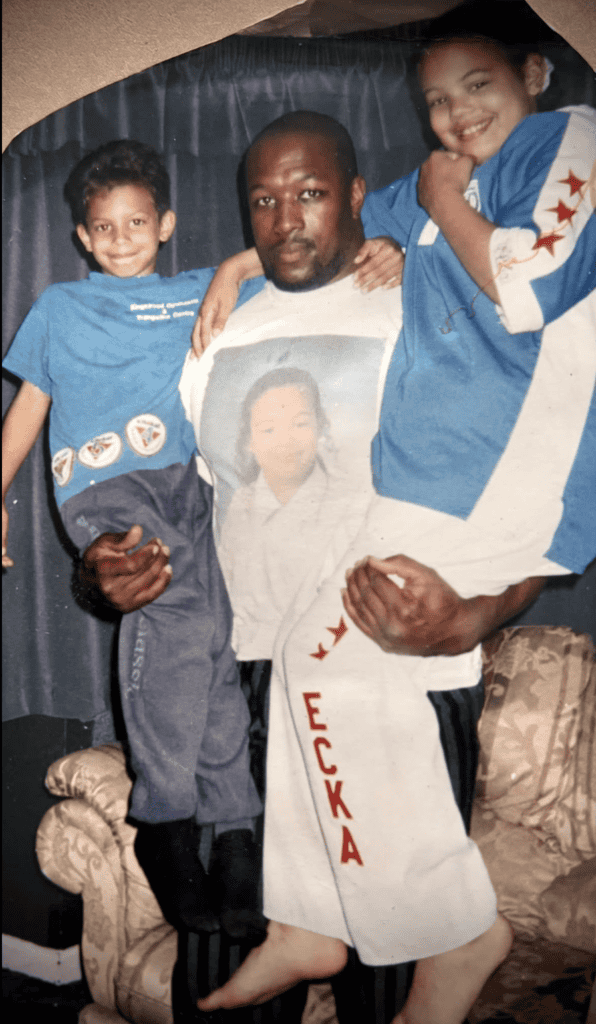
Many knew Kris publicly. Fewer knew him as Dad.
His daughter shared these words in tribute:
“Many people may not have known Chris in his role as a father. Dad was an intensely private man, especially when it came to his children my brother Jansen and me.”
At home, he was steady, attentive and fiercely protective. He encouraged sport, education and ambition. He listened carefully to business ideas and future plans, offering thoughtful advice.
He was always at the end of the phone. Always ready to show up.
Each birthday and Christmas, he wrote long, deliberate messages in greeting cards, filled with wisdom, pride and encouragement. Those handwritten words now form part of the inheritance he leaves behind.
One memory captures him perfectly. Sitting with his grandson Caden, he asked:
“Can you count out £20 using different notes and coins?”
Patiently guiding, offering small corrections and encouragement, he watched Caden reach the total. It was never just about money. It was about equipping the next generation.
That was Kris, protective, but also preparatory.
Even in his final days at Southmead Hospital, unable to speak, he reached for his sister’s hand and smiled, steady to the end.
The Private Legacy: Father and Protector
At his service, his niece Selena read Remember Me by Margaret Mead — a poem that echoes his enduring presence:
“To the living, I am gone.
To the faithful, I have never left…
If you always think of me,
I will never have gone.”
And his daughter closed with gratitude:
“Thank you, Dad, for always being the biggest protector and the strongest man to walk this earth. Your legacy will live on. I will love you forever and miss you always — until we meet again.”
Generations of Brilliance
A century of Black history commemorations teaches us that legacy is layered. It holds struggle and strength, discipline and devotion, protection and tenderness.
Kris’s life challenges us to look beyond simplified narratives.
He was not only the “hardman” of a particular era. He was a brother, father, grandfather, mentor and mediator. A man who evolved. A man who loved fiercely. A man who shielded his family and, in many ways, his community.
His story is part of Bristol’s Black history.
And as long as we remember him in our thoughts, our stories and our actions he remains present in the century we continue to build.