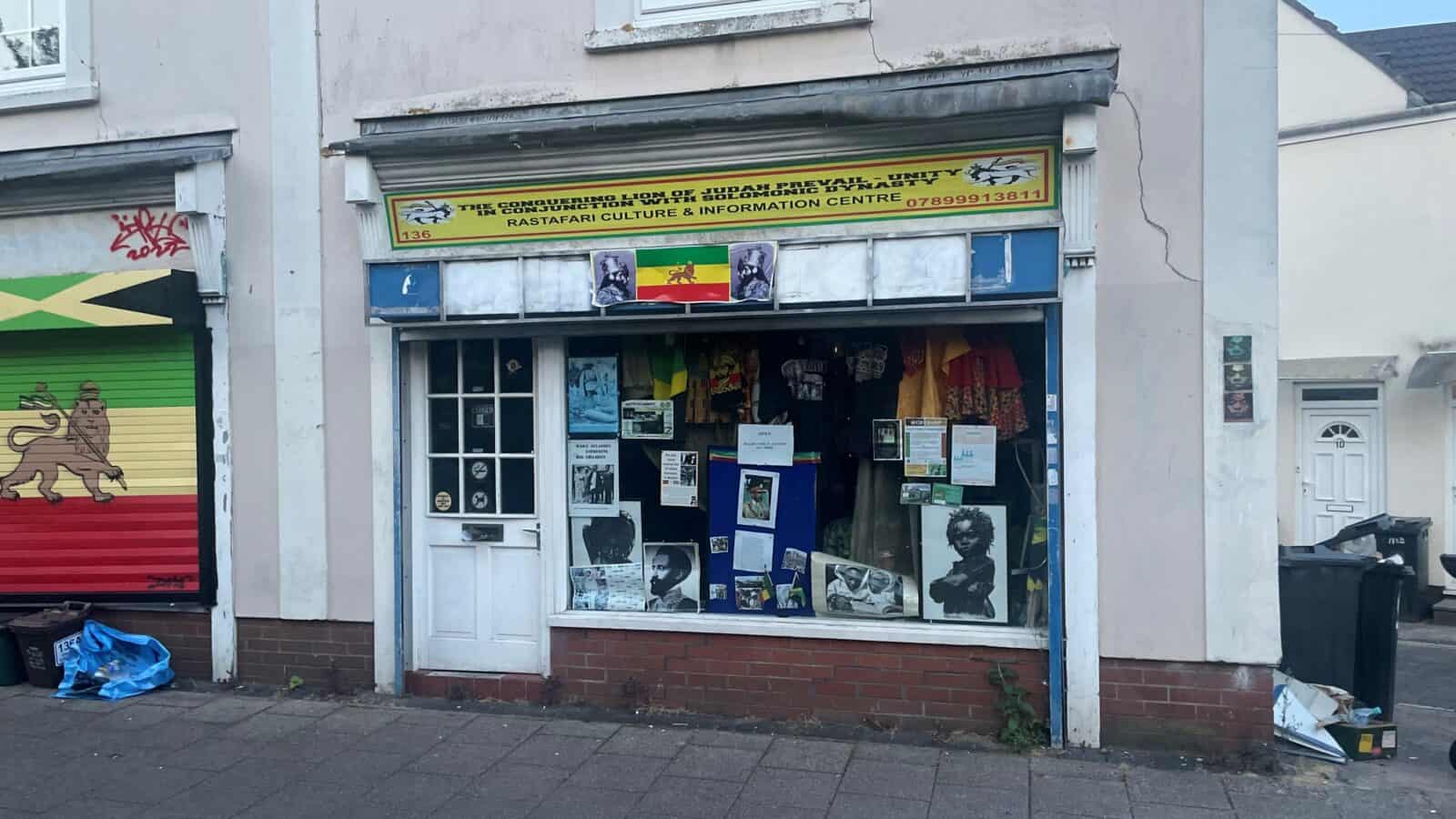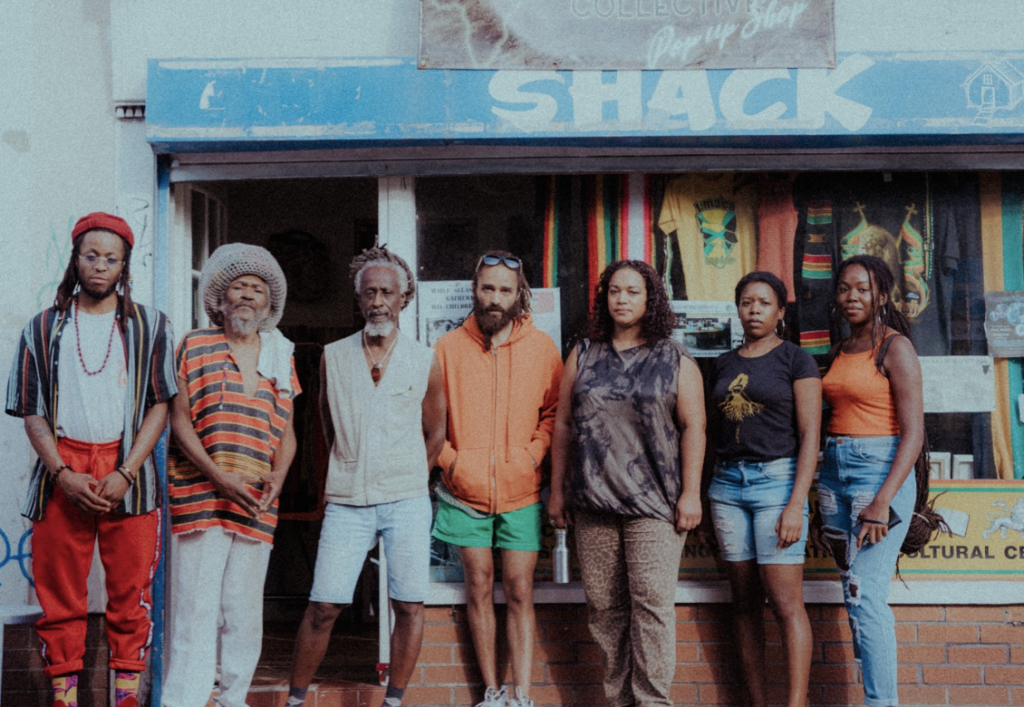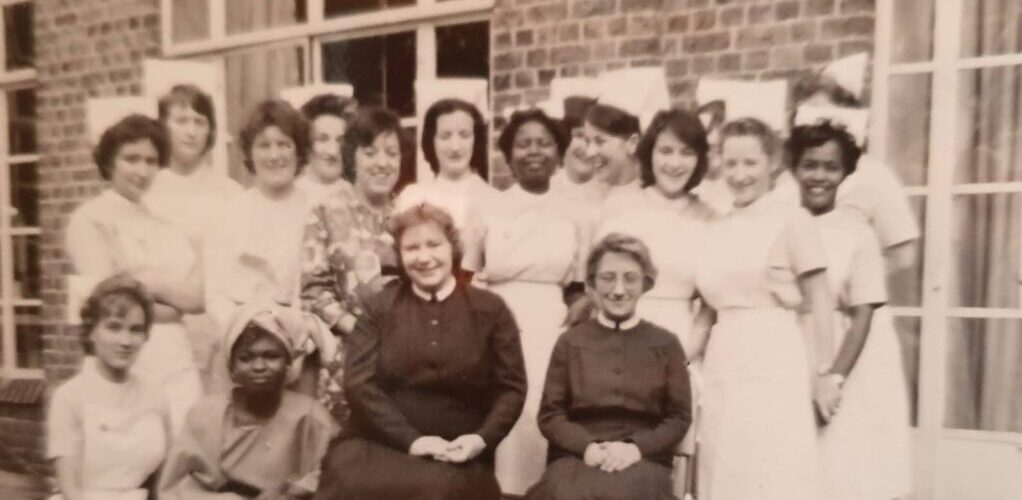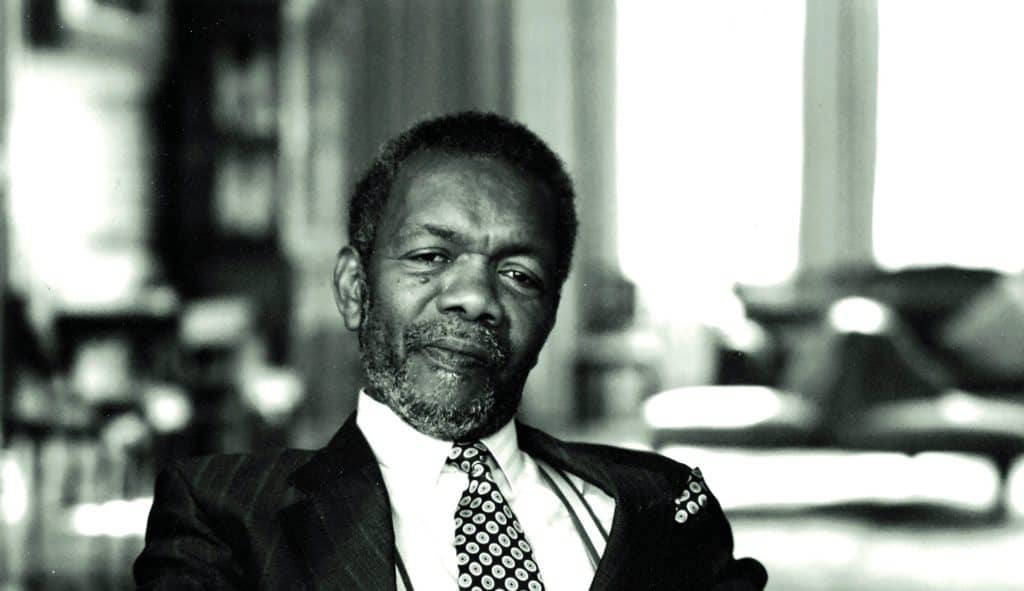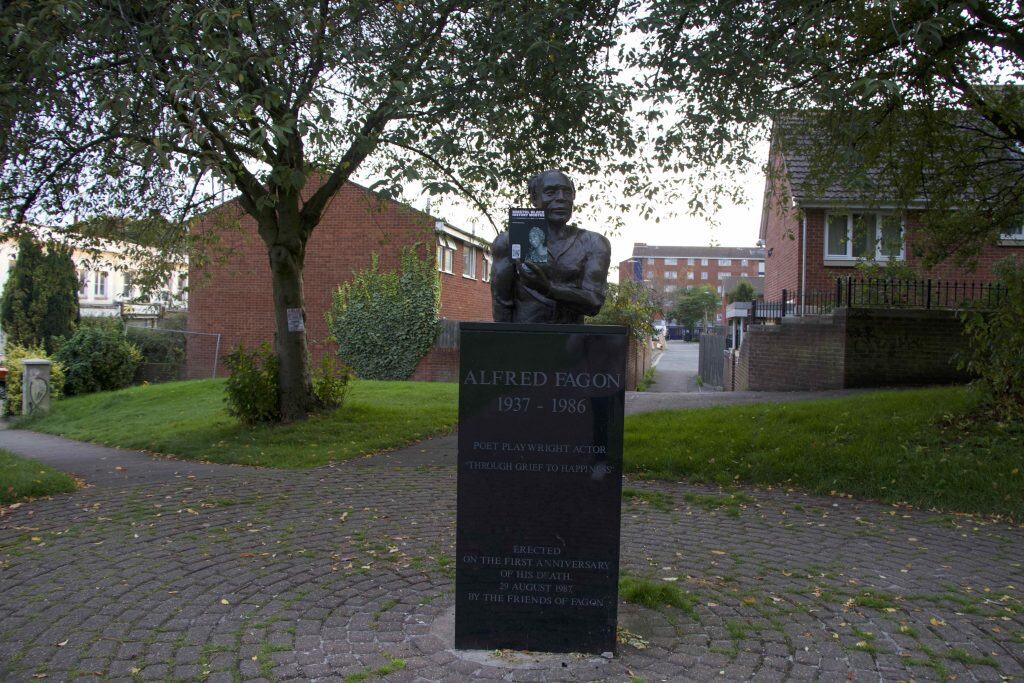
Have you ever passed the Rastafari Cultural Centre on Grosvenor Road or walked across Durdham Downs and reflected on the battles fought for the safety and dignity of Bristol’s Black community?
As we mark the 2026 theme, “A Century of Black History Commemorations,” the story of Marlon Thomas stands as a powerful reminder that Black history is not only about the distant past. It is also about the courage of families and communities who refuse to allow injustice to be forgotten.
Origins and Resilience
In March 1994, eighteen-year-old Marlon Thomas visited a travelling funfair on Durdham Downs. What should have been a normal evening for a young person instead became one of the most shocking racist attacks in Bristol’s recent history.
A group of racist fairground workers armed with weapons prowled the area, deliberately targeting Black teenagers. Marlon was brutally assaulted, suffering devastating head and chest injuries. He stopped breathing during the attack.
His life was saved only because a bystander, Vernon Walker, rushed to administer CPR until help arrived. Although Marlon survived, the injuries caused catastrophic brain damage. The court later described his condition as a “living death” a waking coma that would require lifelong care.
For most families, such trauma might have forced silence. Instead, Marlon’s family transformed grief and anger into organised resistance.
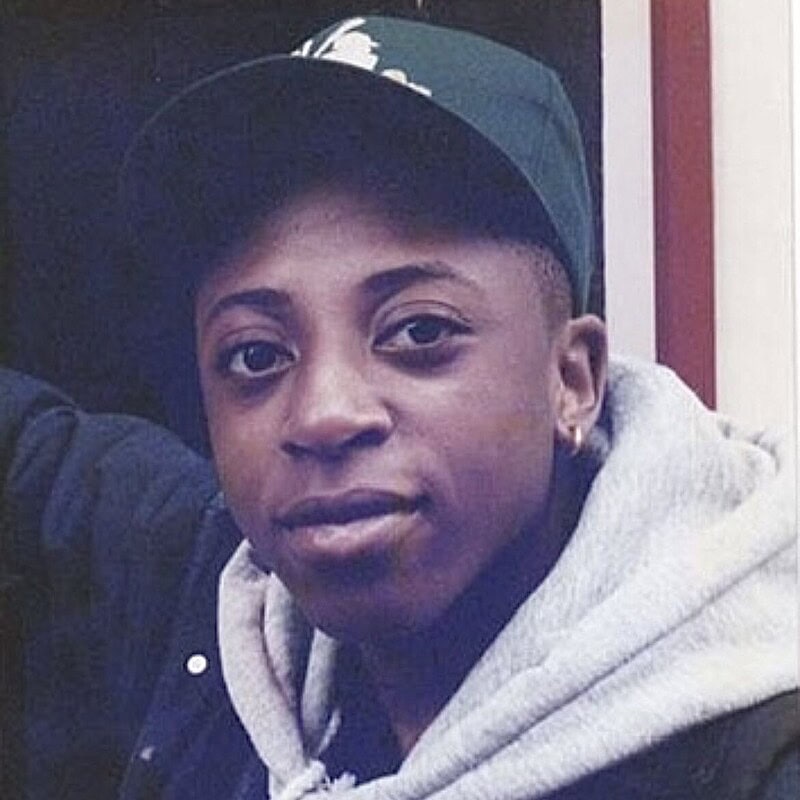
“We Proclaim It!” – Community Refuses Silence
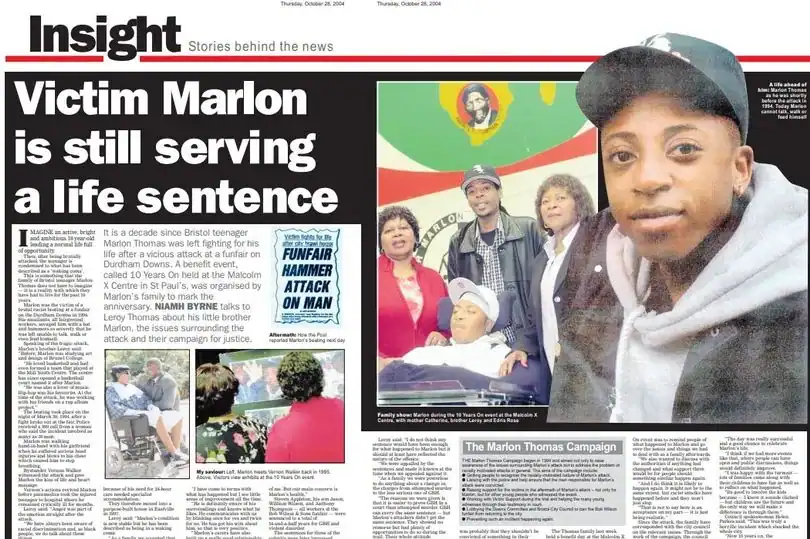
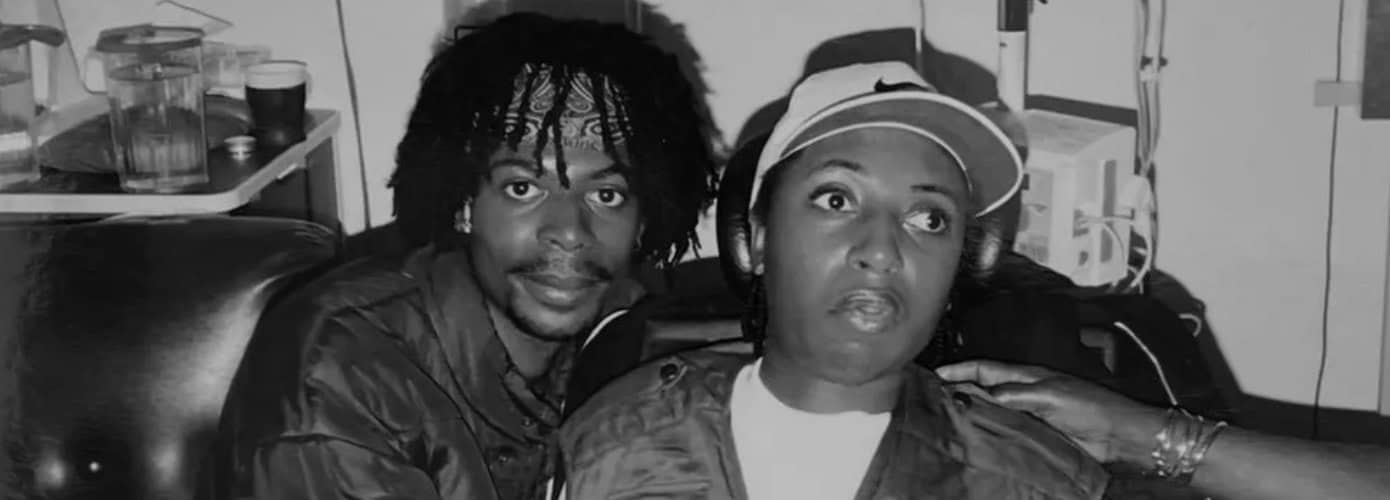
Marlon’s mother and his brother Leroy ‘Rudey Lee’ Thomas refused to allow the attack to disappear from public memory. They launched the Justice for Marlon Thomas campaign, mobilising Bristol’s communities against racial violence and systemic injustice.
Within months, the campaign gathered more than 10,000 signatures demanding action. The public pressure led to the offending funfair being permanently banned from the Downs.
But the family’s response went further than protest. They channelled their struggle into community healing.
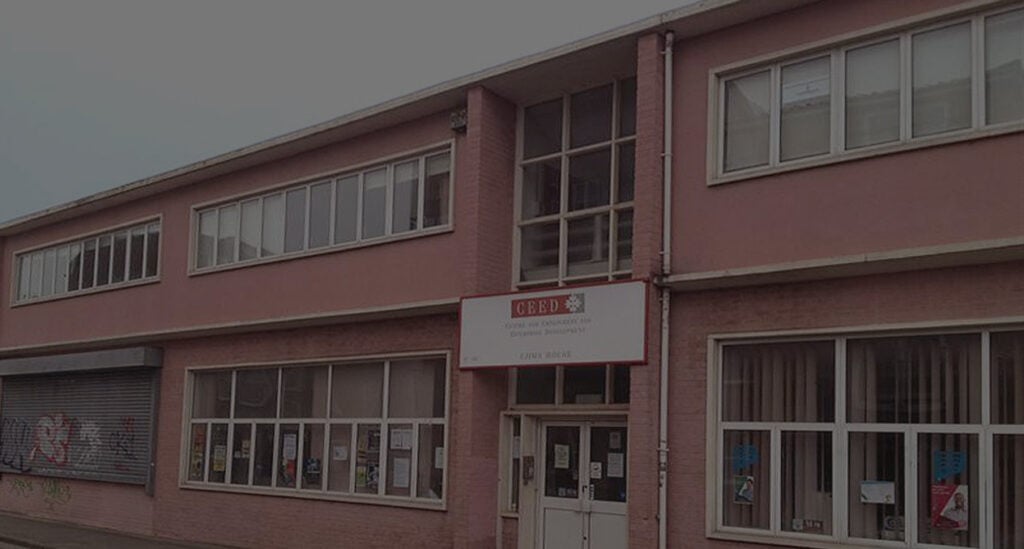
A building provided on Grosvenor Road became a gathering point for organising, reflection, and support. Working alongside Ras Bandele Selassie, the space evolved into the Rastafari Cultural Centre.
The centre became more than a building. It became a sanctuary — offering counselling, cultural grounding, and solidarity for a community grappling with the trauma of racist violence.
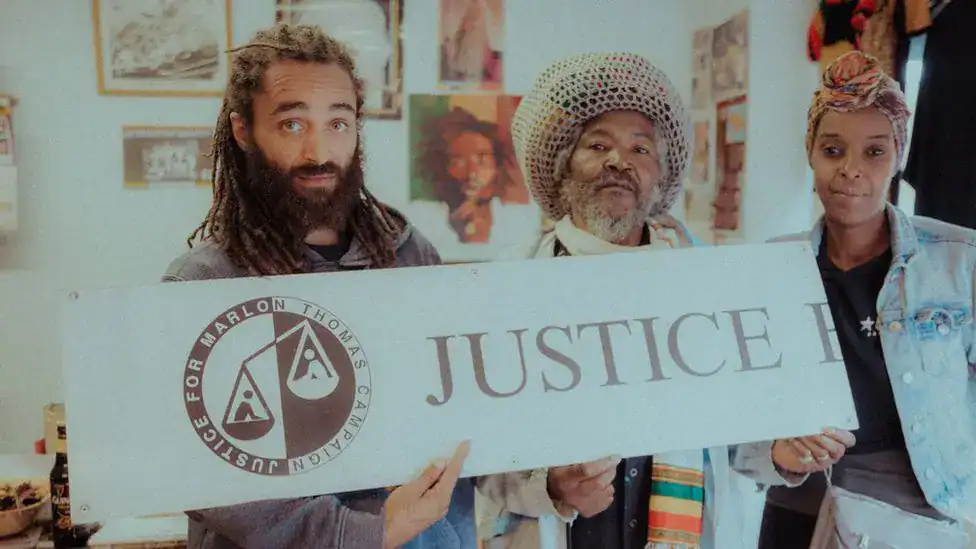
Legacy and Cultural Impact
The impact of Marlon Thomas’s story continues to ripple across Bristol.
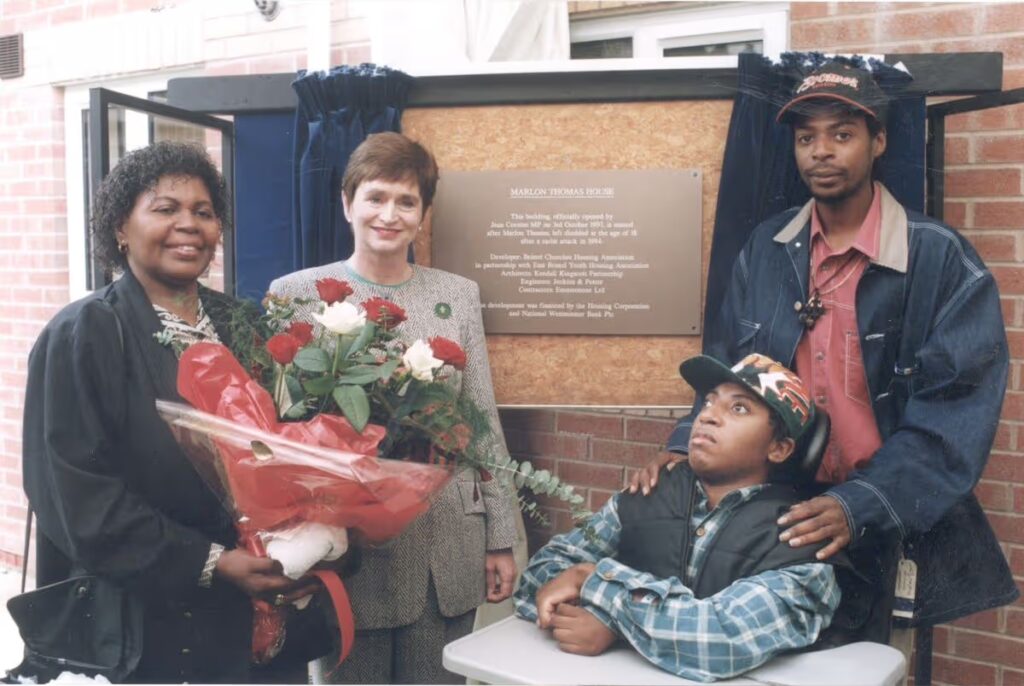
Three years after the attack, a housing association named a block of supported housing Marlon Thomas House in St George, providing homes for young people. It stands as a permanent reminder that the city must do more to protect and uplift its youth.
Meanwhile, Marlon’s family spent decades fighting the care system to ensure he receives the 24-hour support required to sustain his life. Their perseverance reflects a deeper truth about justice — that the struggle does not end when a court case closes.
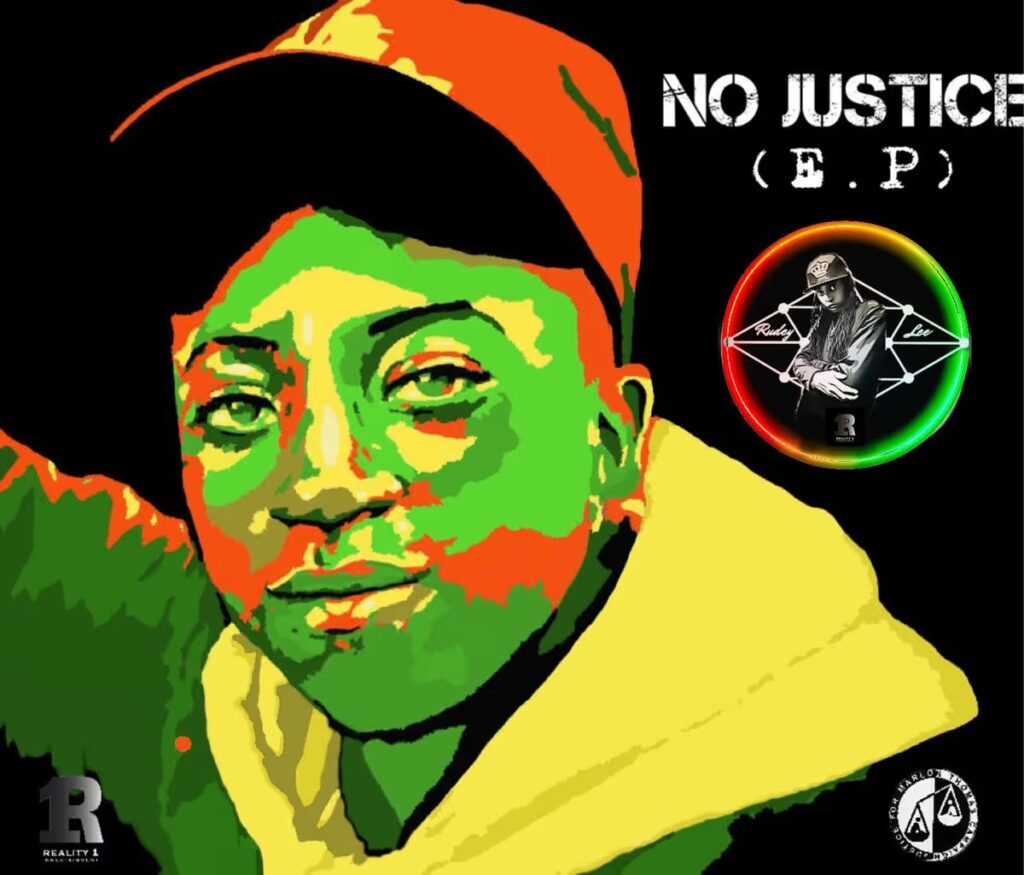
Culturally, the story continues to resonate. Marlon’s brother Rudey Lee released the tribute EP No Justice, bringing together legendary Bristol musicians including Smith & Mighty. The project uses music to keep Marlon’s story alive for a new generation.
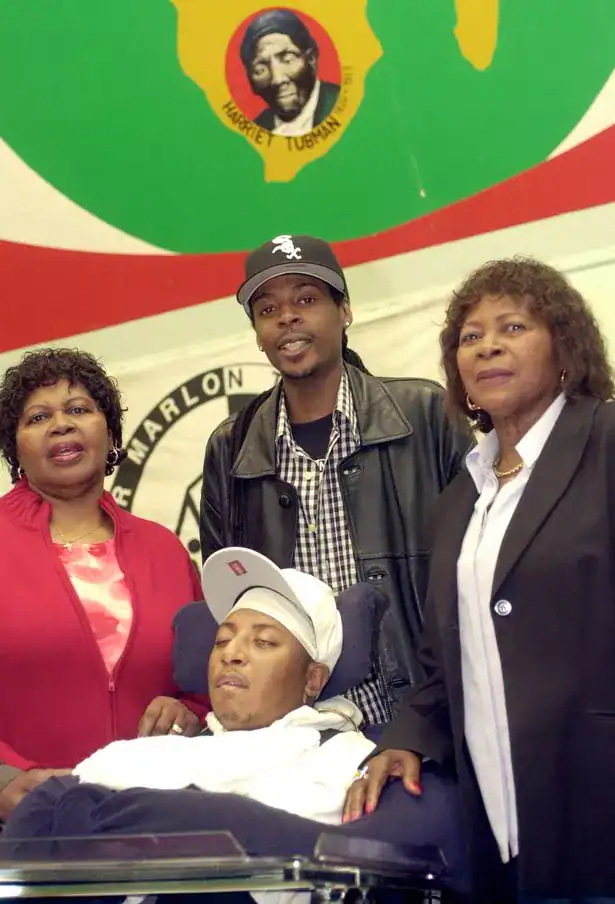
In 2025, the community gathered to celebrate Marlon’s 50th birthday, a powerful moment of reflection and solidarity. It was not simply a birthday. It was a statement that his life — and the struggle for justice surrounding it — will not be erased.
A Story Within a Century of Black History
As we commemorate a century of organised recognition of Black history, Marlon Thomas’s story reminds us that history is also lived in real time. It lives in the courage of families who refuse silence, in communities that organise together, and in spaces created for healing and resistance.
Bristol’s Black history is built not only by celebrated leaders and cultural icons, but also by ordinary people who confront injustice with extraordinary strength.
The legacy of Marlon Thomas continues to challenge us:
to remember, to organise, and to ensure that the fight against racism remains a shared civic responsibility.
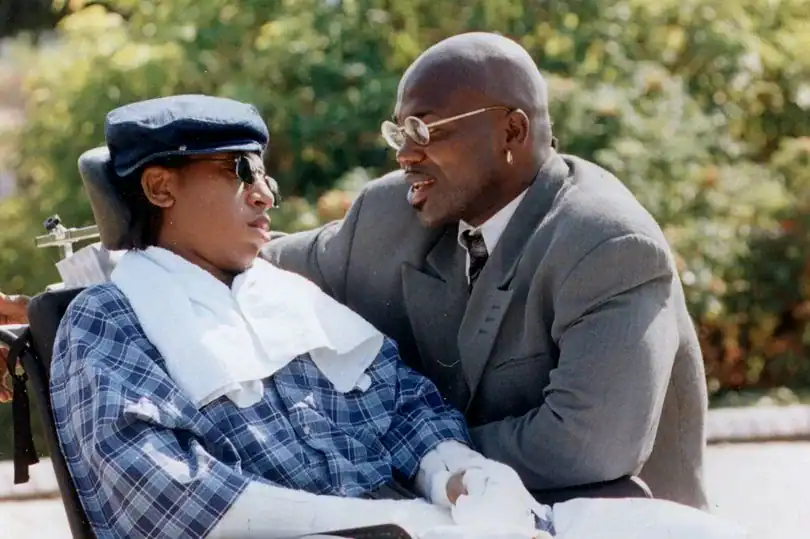
“Marlon and his family have now begun to try to pick up the pieces and live as much of a normal life as possible under these tragic circumstances.”
Leroy ‘Rudey Lee’ Thomas
Want to learn more?
Support the Rastafari Cultural Centre, a community space born out of the Justice for Marlon Thomas campaign, and explore the tribute music project No Justice, helping ensure Marlon’s story continues to be heard by future generations.