History is not only written in books. It is written in council minutes, ballot papers and the courage it takes to stand for public office.
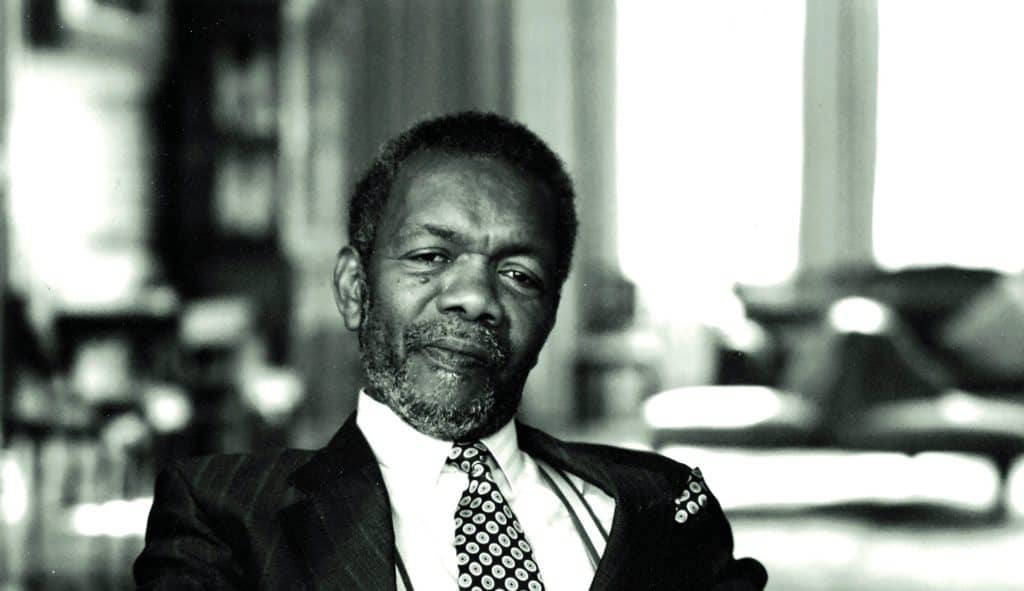
Long before public opinion shifted, Ray Sefia was already working inside the system to challenge Bristol’s civic memory. As we mark A Century of Black History Commemorations, his story reminds us that redefining the record begins with participation — and with principle.
From Ovwian to Ashley Ward
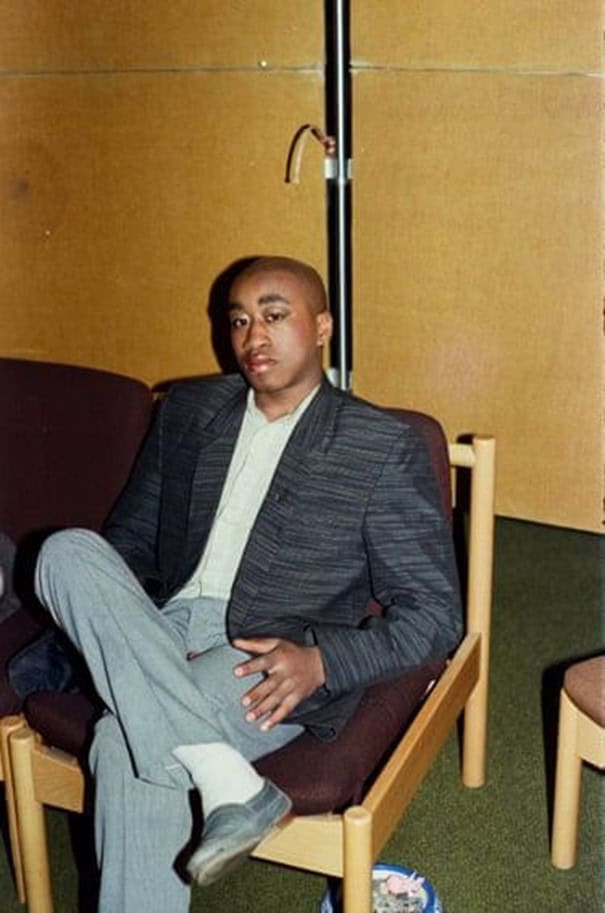
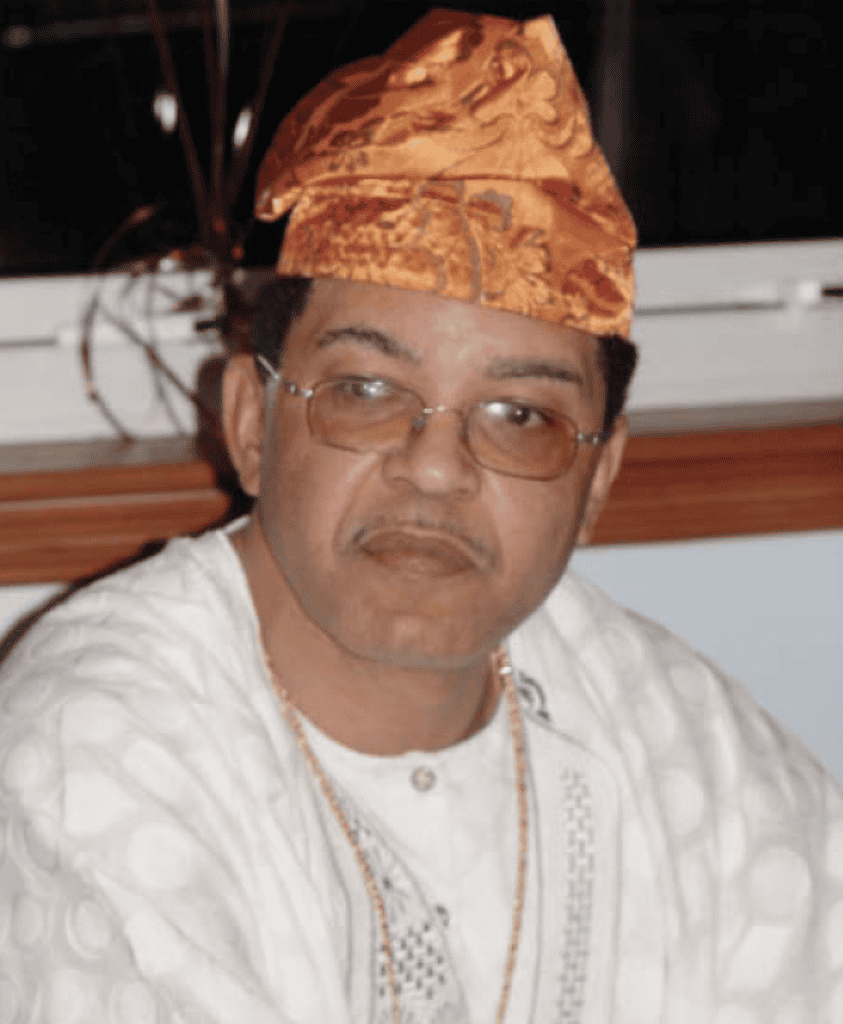
Born to a white English mother and a Black Nigerian father, Ray’s life bridged continents and cultures. That dual heritage shaped his understanding of belonging and justice from an early age.
After returning to the UK in 1977, he built resilience through enterprise and leadership, navigating open prejudice in the workplace while steadily advancing. By the time he moved to Bristol in 1992, he was not only experienced in business but ready for public service.
In 1995, Ray was elected as a Labour councillor for Ashley Ward. The election results reflected both strong support and the significance of his candidacy:
Raymond J. Sefia (Labour) – 1,472 votes (58.79%)
Labour majority – 1,046 votes (41.77%)
Turnout – 31.83% (2,504 votes cast from 7,867 registered electors)
At a time when Black representation in local government was extremely limited, Ray became the only Black councillor serving in Bristol. His election was not symbolic; it was structural.
It placed lived experience directly inside civic decision-making.
Building Power Beyond the Chamber
Before and during his time in office (1995–2000), Ray worked across the Education and Race Advisory Committees, consistently raising issues of equality and representation.
Yet his impact extended beyond council debates. Through the South West African-Caribbean Council (SWACC), he helped create platforms that publicly celebrated Black achievement at the Malcolm X Centre.
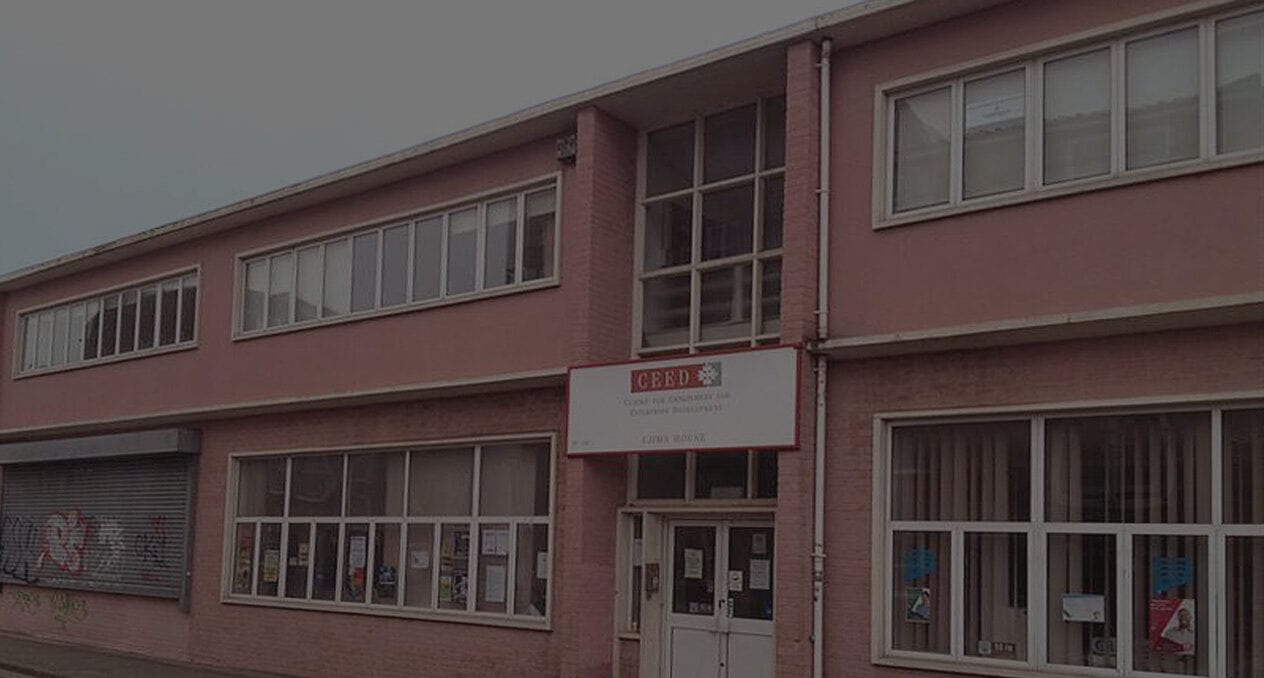
As the first Director of the Positive Action Consortium, he helped grow the initiative into the Centre for Employment and Enterprise Development (CEED) on Wilder Street in St Paul’s — supporting enterprise, skills development and employment pathways for communities often excluded from mainstream opportunity.
Redefining the record required more than speeches. It required institutions.
Early Resistance, Long Before Consensus
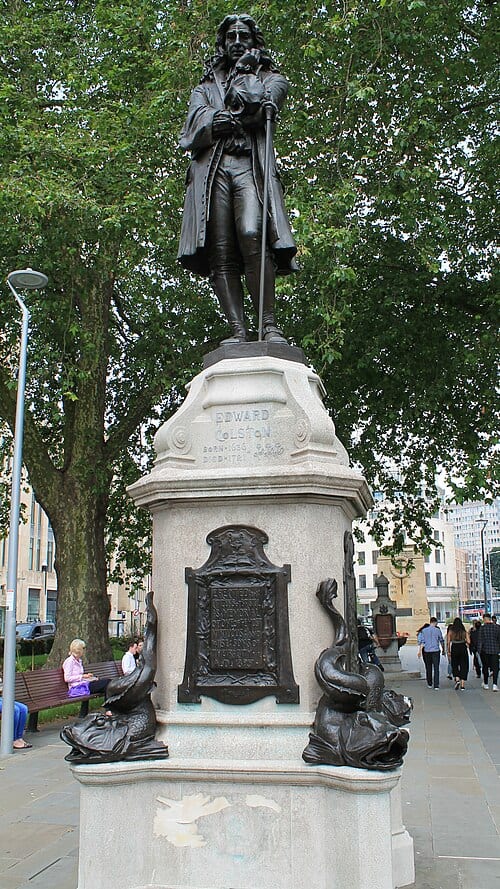
It has been widely stated that in 1998, while serving as a Labour councillor, Ray called for the removal of the Edward Colston statue — decades before national debate reached boiling point.
Regardless of how that moment is formally archived, what is undeniable is his willingness to challenge Bristol’s selective historical memory from within the chamber itself.
He understood that representation in office must translate into representation in narrative.
Monuments reflect values.
Councillors shape policy.
Communities shape the future.
Ray worked at the intersection of all three.
Culture, Enterprise and Civic Identity
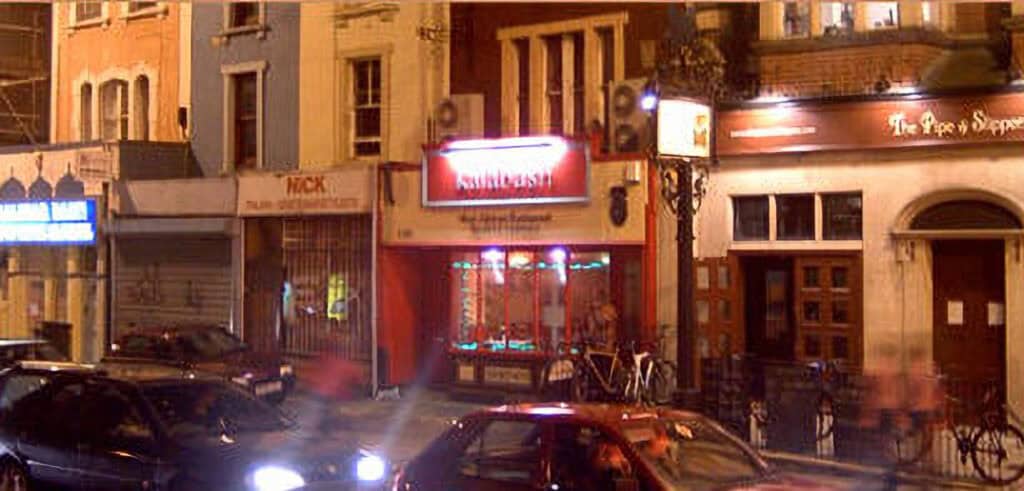
Outside formal politics, Ray also expanded Bristol’s cultural landscape by opening Kalabash in Stokes Croft, recognised as the city’s first West African restaurant.
This was more than hospitality. It was visibility. It asserted that African culture belonged not at the margins, but in the heart of the city.
Through enterprise, he reinforced what his election had already demonstrated: participation matters. Ownership matters. Representation matters.
A Legacy Measured in Courage
Ray Sefia’s election in Ashley Ward was a milestone. But his legacy lies not only in the numbers — 1,472 votes, a 58.79% share — but in what he did with the mandate.
He entered rooms where few looked like him.
He raised issues others avoided.
He built structures that outlasted his term.
As we reflect on a century of Black history commemorations, his story challenges us to ask:
Who is prepared to stand?
Who is prepared to serve?
Who is prepared to redefine the record again?
“Be determined, persevere and believe you can achieve what you set your mind to. Set a goal and aim for the top.”
For Ray Sefia, that was not aspiration:
It was practice.