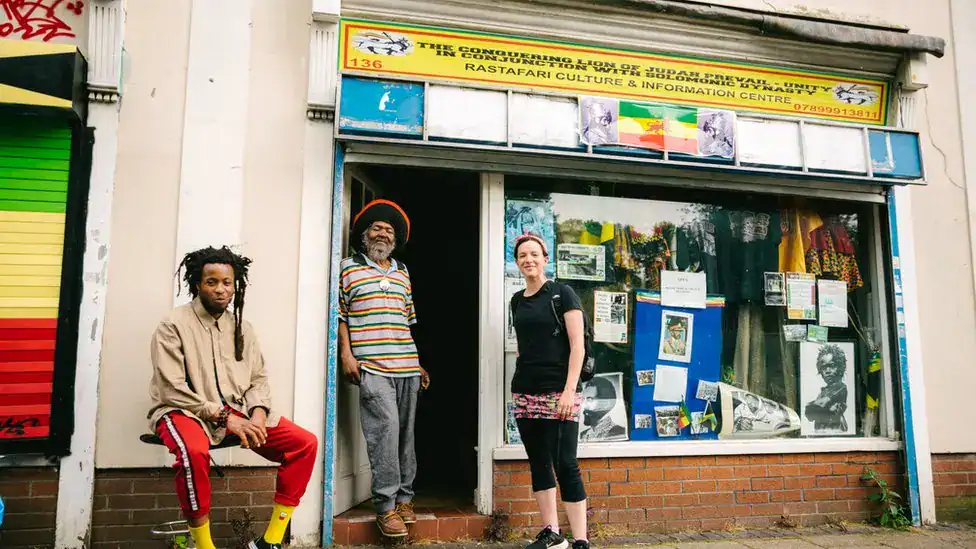
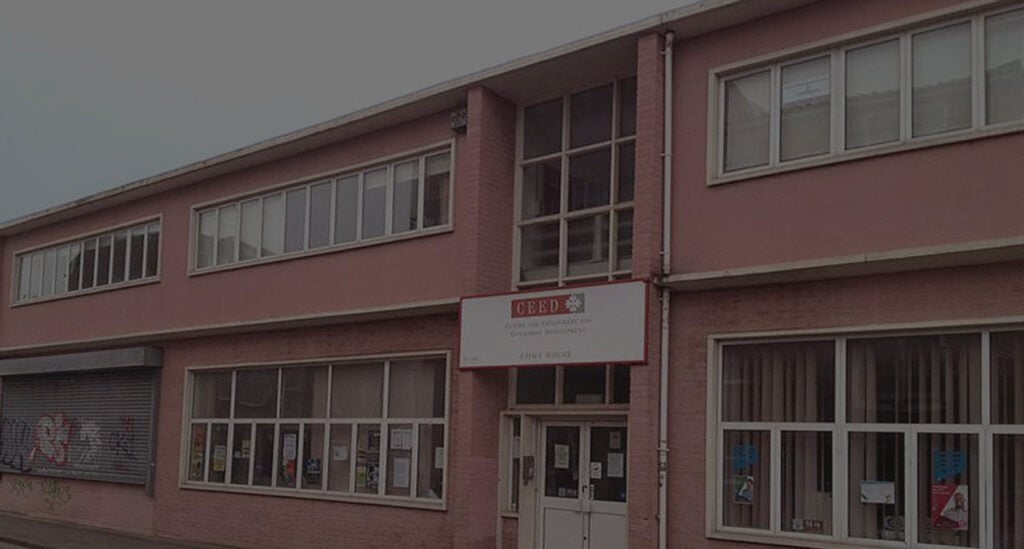
Have you ever felt the quiet sense of peace inside the Rastafari Cultural Centre on Grosvenor Road in St Paul’s?
As we mark the 2026 Black History Month theme, “A Century of Black History Commemorations,” we reflect on the individuals who created not just institutions, but sanctuaries.
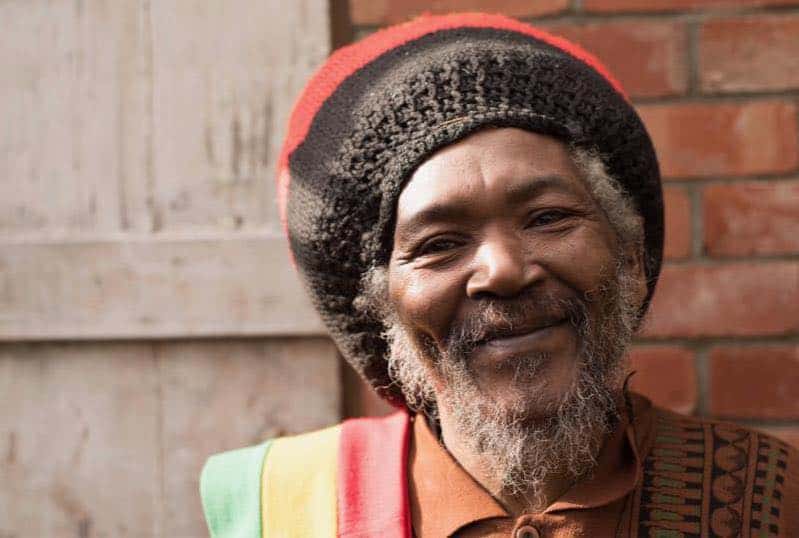
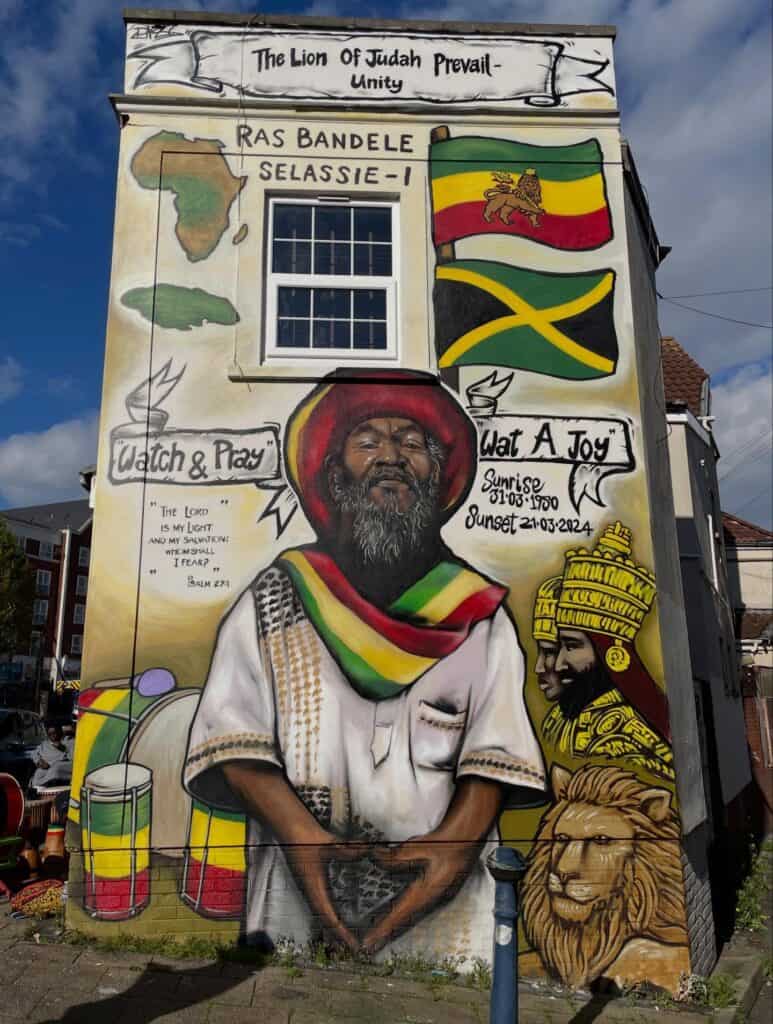
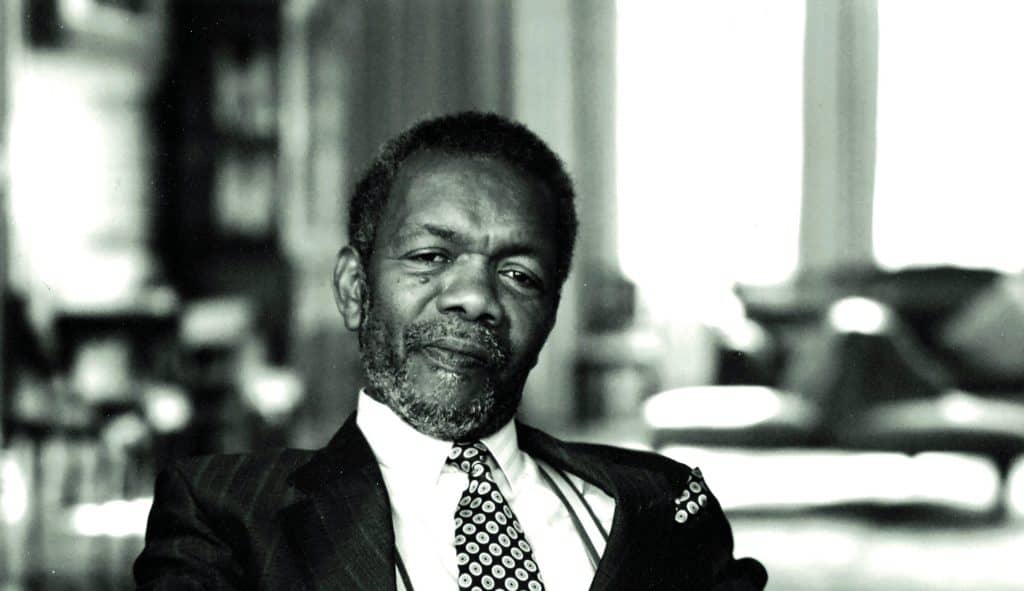
The story of Ras Bandele Selassie, affectionately known as Ras B, is one of those foundational stories. His life represents a powerful blend of spirituality, cultural leadership and community care that shaped Bristol’s Rastafari movement for decades.
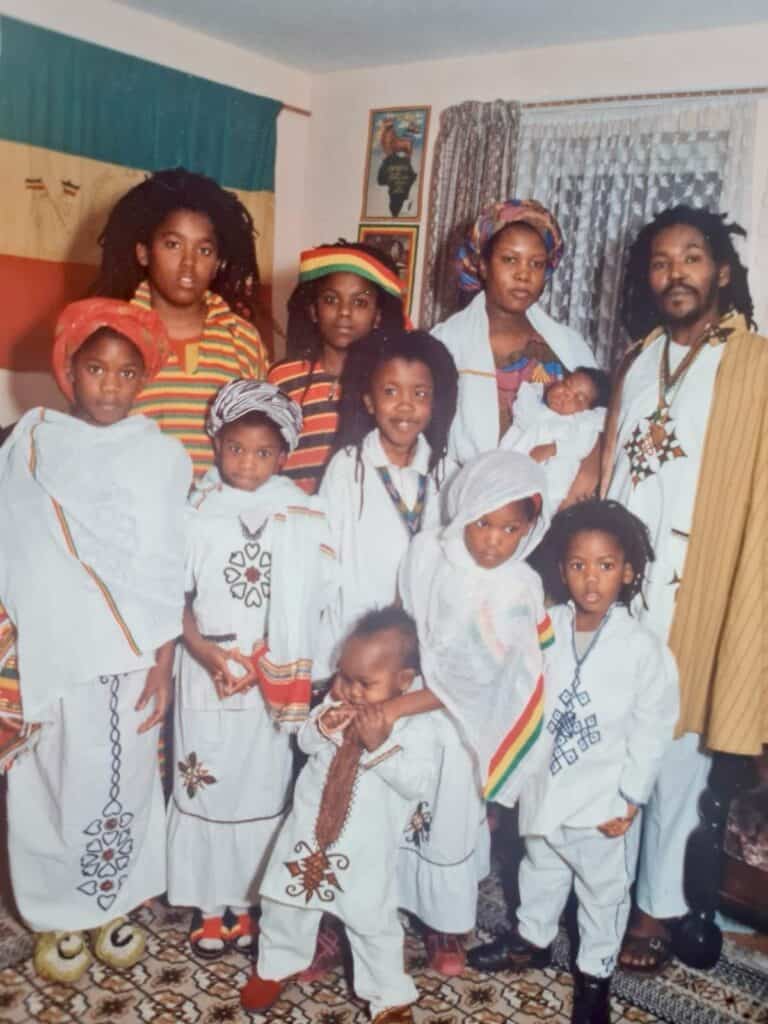
Ras Bandele Selassie was born in 1950 in Blackwood, growing up in a large family of eleven children. Like many of his generation, his journey formed part of the wider Caribbean migration that reshaped communities across Britain in the post-war years.
He arrived in the UK during the 1960s, first living in Wiltshire before eventually settling in Bristol in 1978.
Those were challenging years for many Black migrants navigating discrimination, exclusion and social barriers. For Ras Bandele, the answer lay in spiritual grounding. In 1980, he fully embraced the Rastafari faith and adopted the name Bandele, meaning “born away from home.”
The name symbolised both displacement and rebirth a recognition that identity can be reclaimed even when one is far from their ancestral homeland. From that point forward, his life became centred on service, guidance and community healing.
“We Proclaim It!” Reclaiming Spaces for Healing
Ras Bandele believed spiritual practice should always be rooted in community. Recognising the need for a place of worship, cultural expression and support, he founded the Rastafari Cultural Centre on Grosvenor Road.
The centre became far more than a religious gathering space. It grew into a community sanctuary where people could reflect, learn and reconnect with culture and identity.
This role became especially important following the racist attack on Bristol teenager Marlon Thomas in 1994. The Justice for Marlon Thomas Campaign secured a building on Grosvenor Road, and Ras Bandele used part of that space to provide informal counselling and support for community members affected by the trauma of the event.
In practice, this meant open doors and open hearts.
Students seeking guidance, people facing mental health struggles, elders wanting spiritual conversation and young people searching for identity all found a place within the RCC.
For many, Ras B’s quiet wisdom and steady presence made the centre feel like home.
Culture, Preservation and Spiritual Stewardship
Ras Bandele’s influence reached beyond Bristol. As a leading Rastafari elder in the South West, he played a vital role in protecting Fairfield House in Bath.
Fairfield House holds deep historical significance as the British residence of Haile Selassie I during his exile in the 1930s. When the building faced the possibility of being sold during the 1990s, Ras Bandele joined a determined community campaign to protect the site.
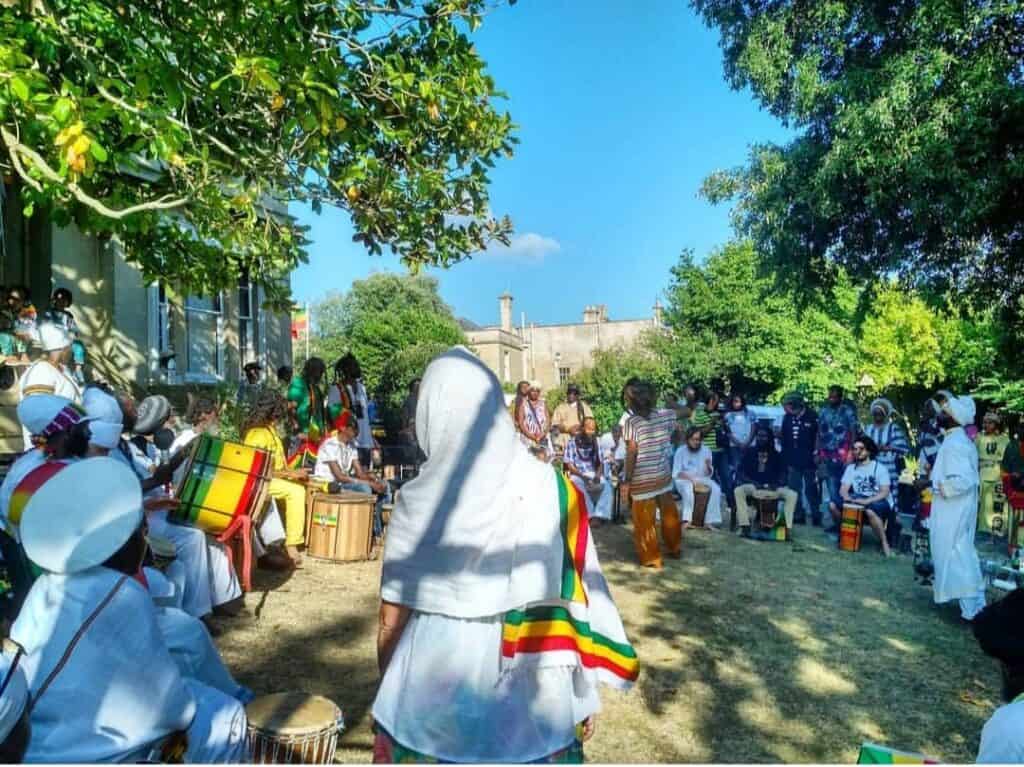
He later served as a trustee and regularly led Sabbath services there, helping maintain Fairfield House as a spiritual and historical centre for the global Rastafari community.
Securing a Legacy for the Future
Even in later years, Ras Bandele remained committed to safeguarding the spaces that mattered to the community.
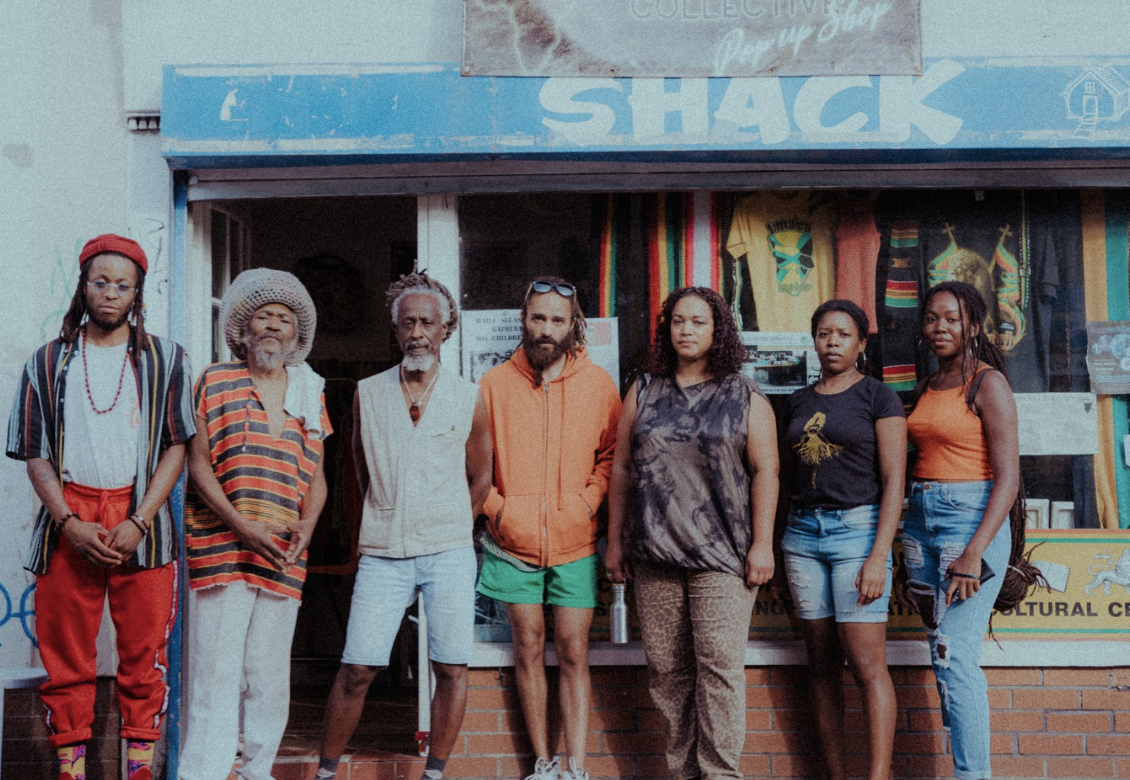
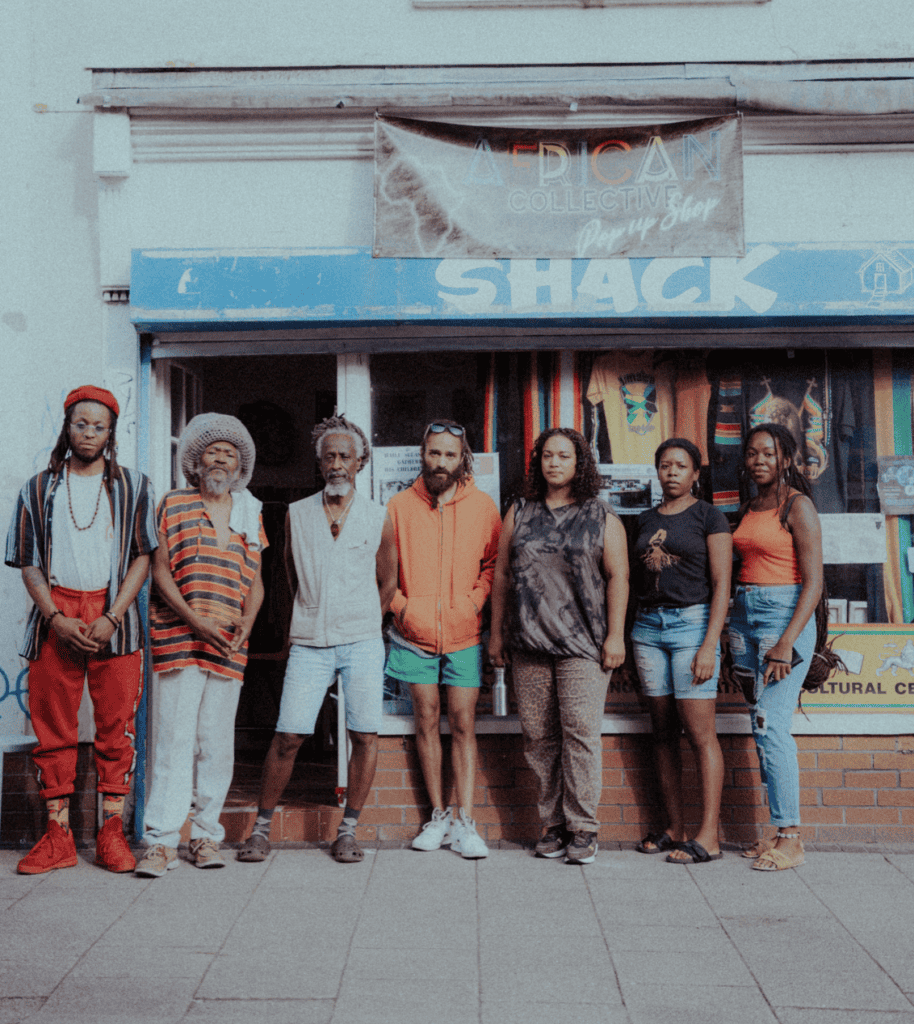
When the Rastafari Cultural Centre faced the threat of sale to private developers in 2020, Ras B and his family mobilised supporters to protect the building. The campaign united community members locally and internationally.
In early 2024, the campaign succeeded in purchasing the property, ensuring the centre would remain a permanent cultural and spiritual home.
Shortly afterwards, in March 2024, Ras Bandele Selassie passed away. Yet the sanctuary he fought to protect continues to serve the community he loved.
Today, his legacy lives on through his wife, his family, and the many lives he touched through decades of guidance, compassion and spiritual leadership.
A Legacy of Peace and Wisdom
Ras Bandele Selassie’s life reminds us that leadership is not always loud. Sometimes it is quiet, patient and deeply rooted in service.
He created spaces where people could gather, reflect and heal, places where culture, spirituality and community could thrive together.
His message remains simple yet powerful:
“Watch and pray.”
A call to stay grounded, stay mindful, and stay connected to one another.
Through the Rastafari Cultural Centre and the preservation of Fairfield House, Ras Bandele ensured that future generations will always have places where that wisdom can continue to grow.