Have you ever looked at a photograph and felt the very soul of a community staring back at you?
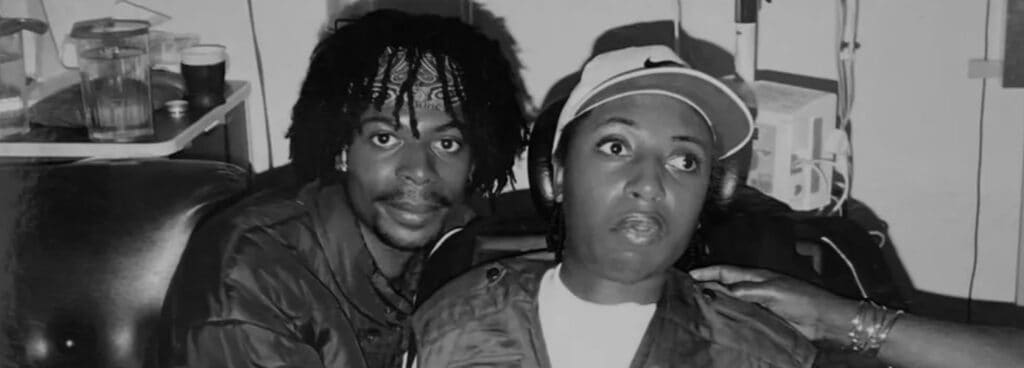
As we mark the 2026 theme, “A Century of Black History Commemorations,” we honour the storytellers who ensured that Black life in Britain was not forgotten, erased or misrepresented. Among them stands Karl Ritchie, one of Bristol’s most important community photographers, a quiet but powerful visual historian whose images captured the life, culture and resilience of the city’s Caribbean community across decades.
Through his lens, everyday moments became historical records.
Origins and Resilience
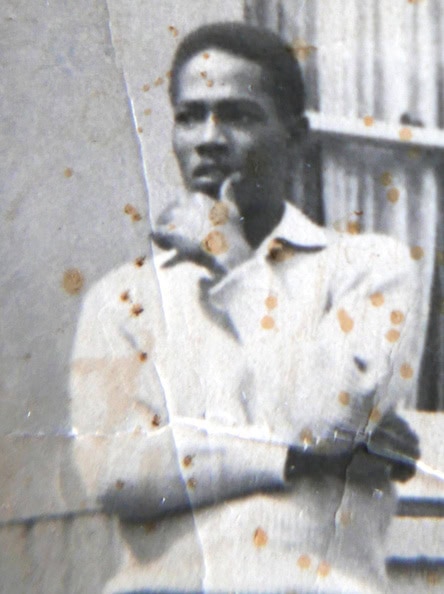
Karl Ritchie was born in Kingston, Jamaica, in 1938, where his early fascination with photography was sparked by watching his older brother experiment with cameras.
His first camera was a simple Box Brownie, but the passion it ignited would last a lifetime.

In 1961, Karl migrated to the United Kingdom and settled in Bristol, joining the generation now widely known as the Windrush generation, individuals who helped rebuild Britain after the Second World War while also navigating the harsh realities of racial discrimination and social exclusion.
At a time when mainstream media rarely reflected the lives of Black communities with dignity or accuracy, Karl’s photographs became an act of cultural preservation.
Reclaiming the Narrative
Karl Ritchie did not simply take photographs he claimed narrative power.
Rather than waiting for institutions or newspapers to tell the story of Black Bristol, he took it upon himself to document the life unfolding around him. Through his involvement with organisations such as the Bristol Community Growth Association and the South West African-Caribbean Association, Karl found himself at the centre of a vibrant and evolving community
His photographs captured:
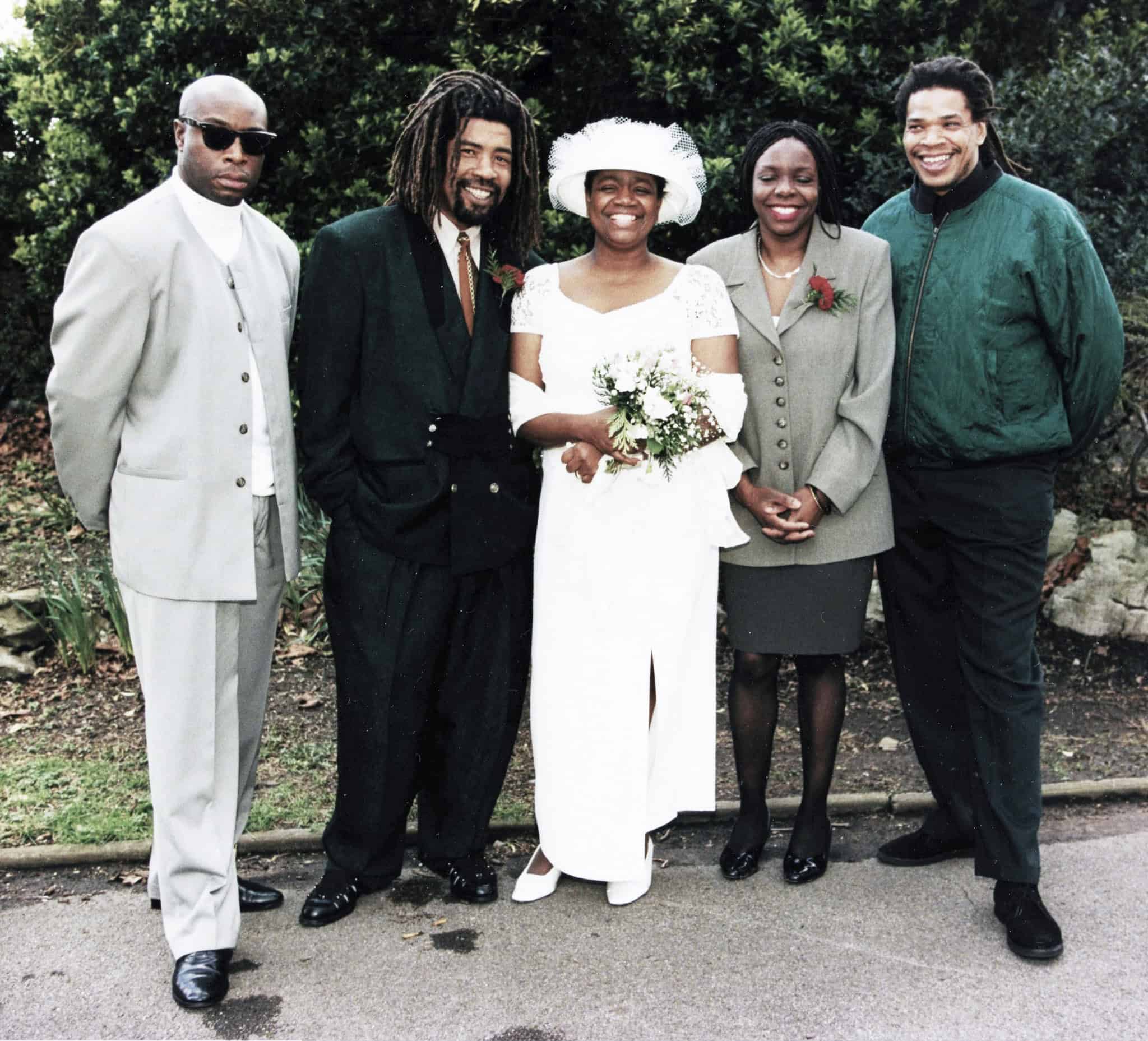
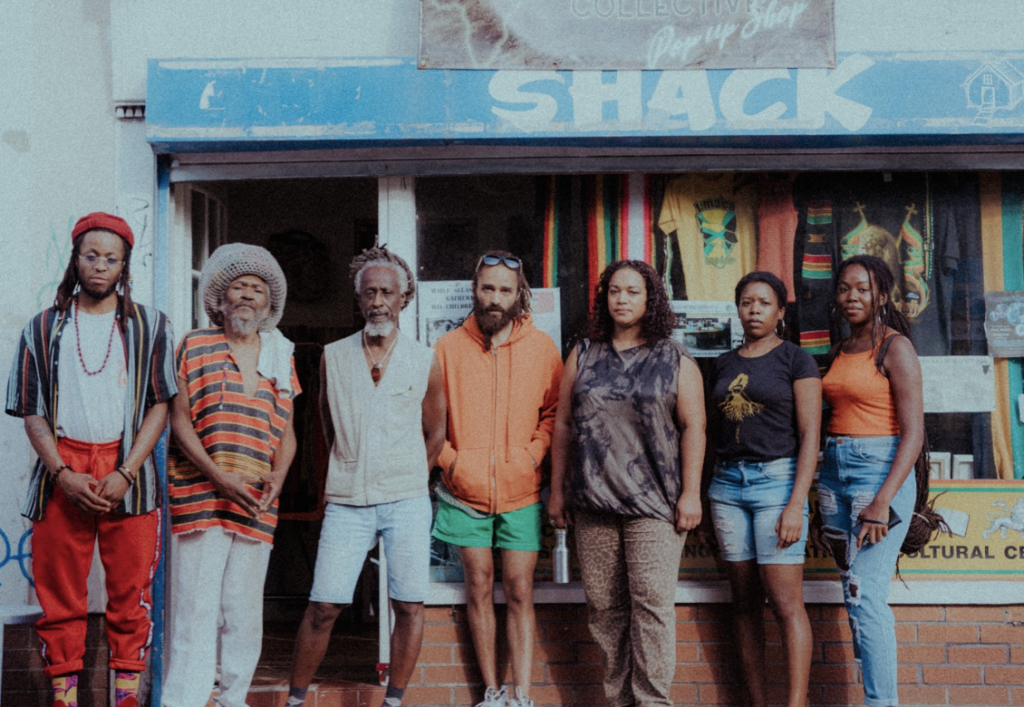
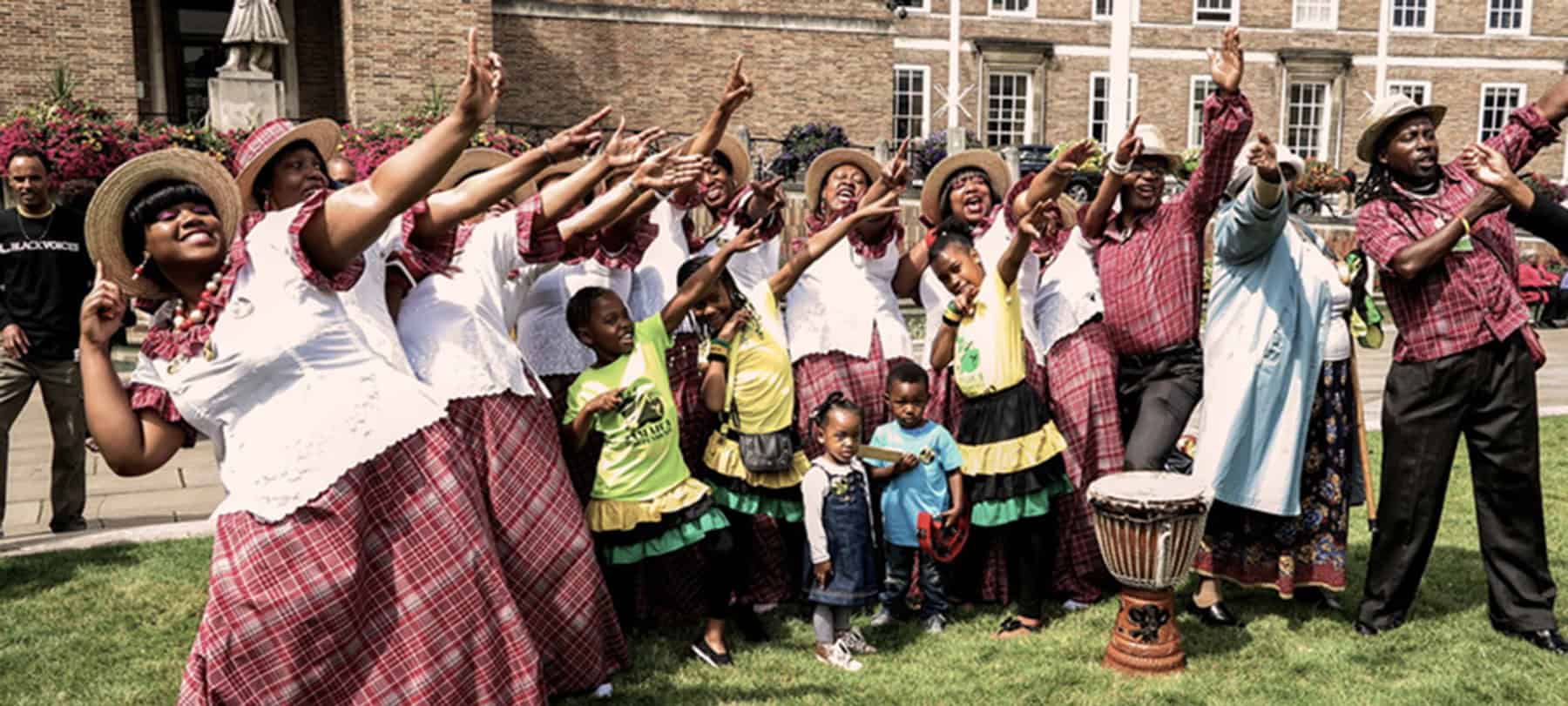
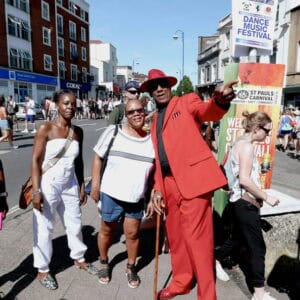
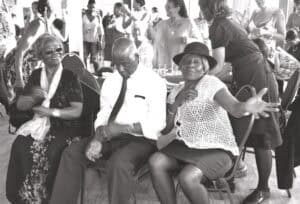
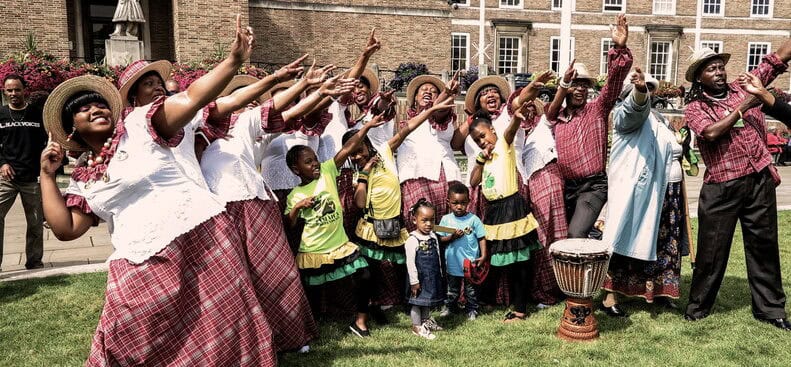
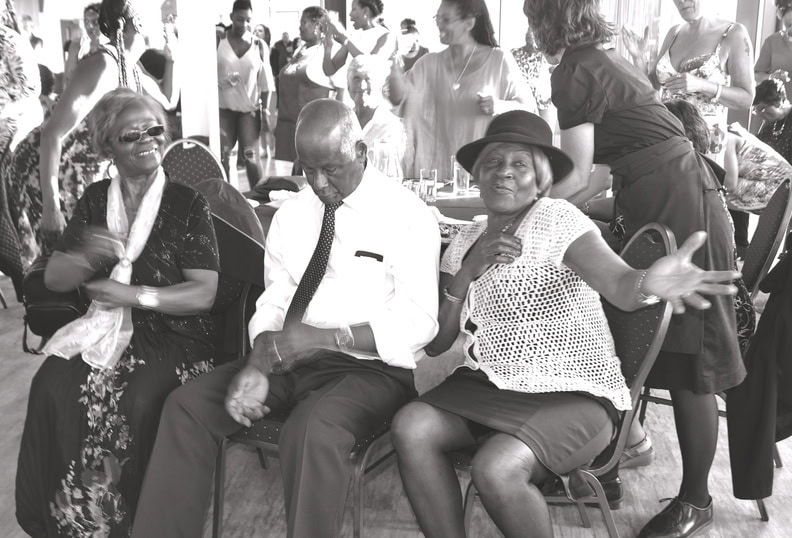
Weddings and family celebrations
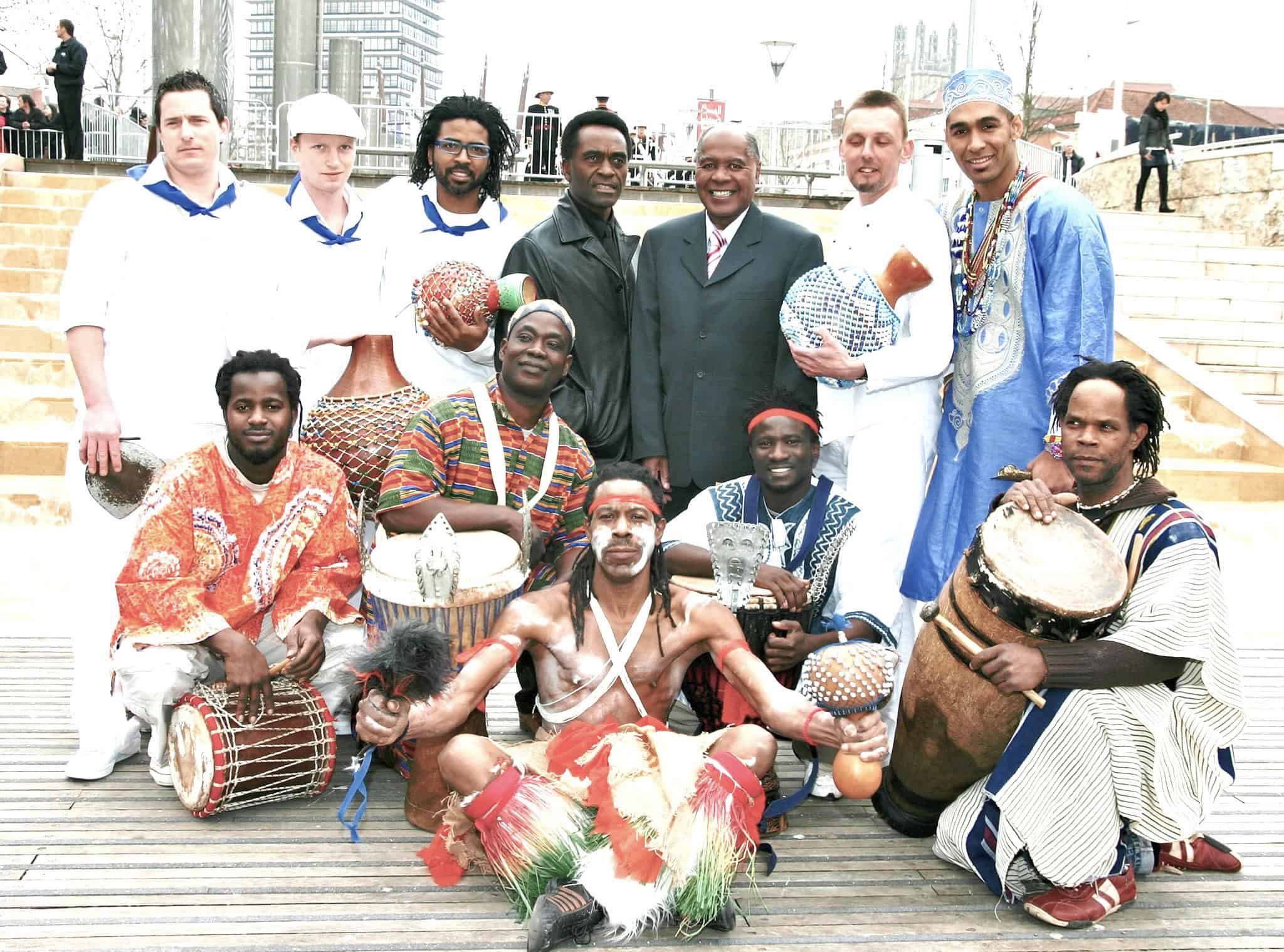
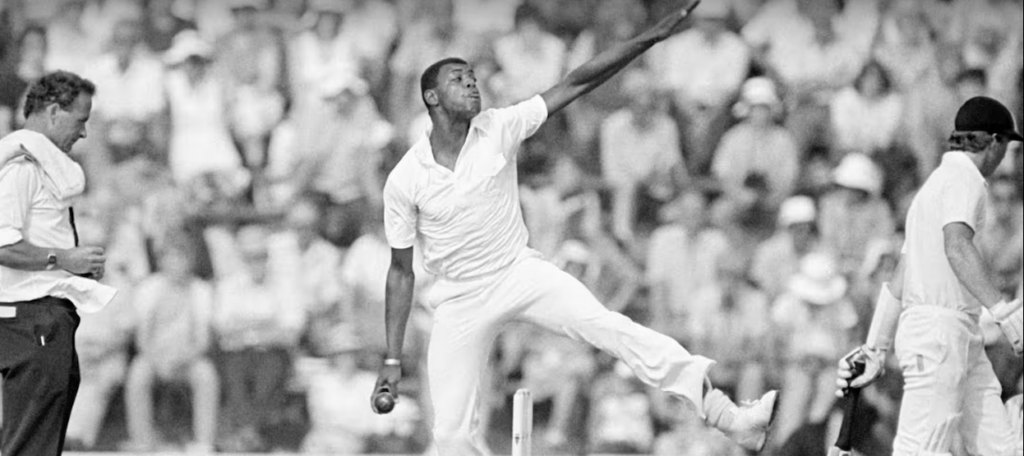
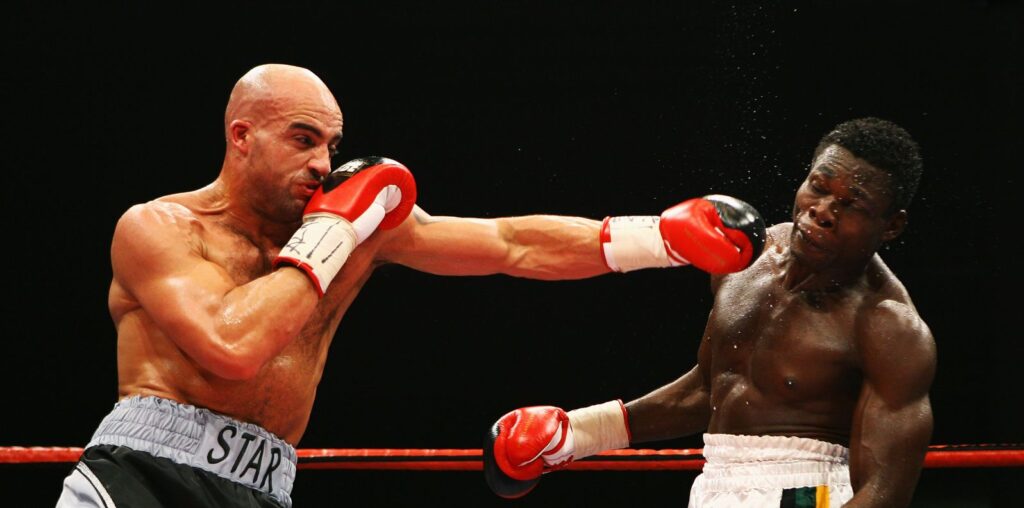
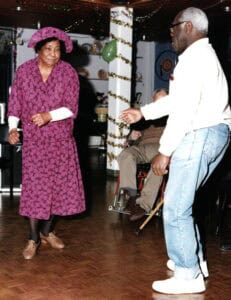
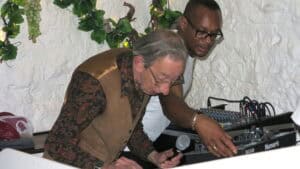
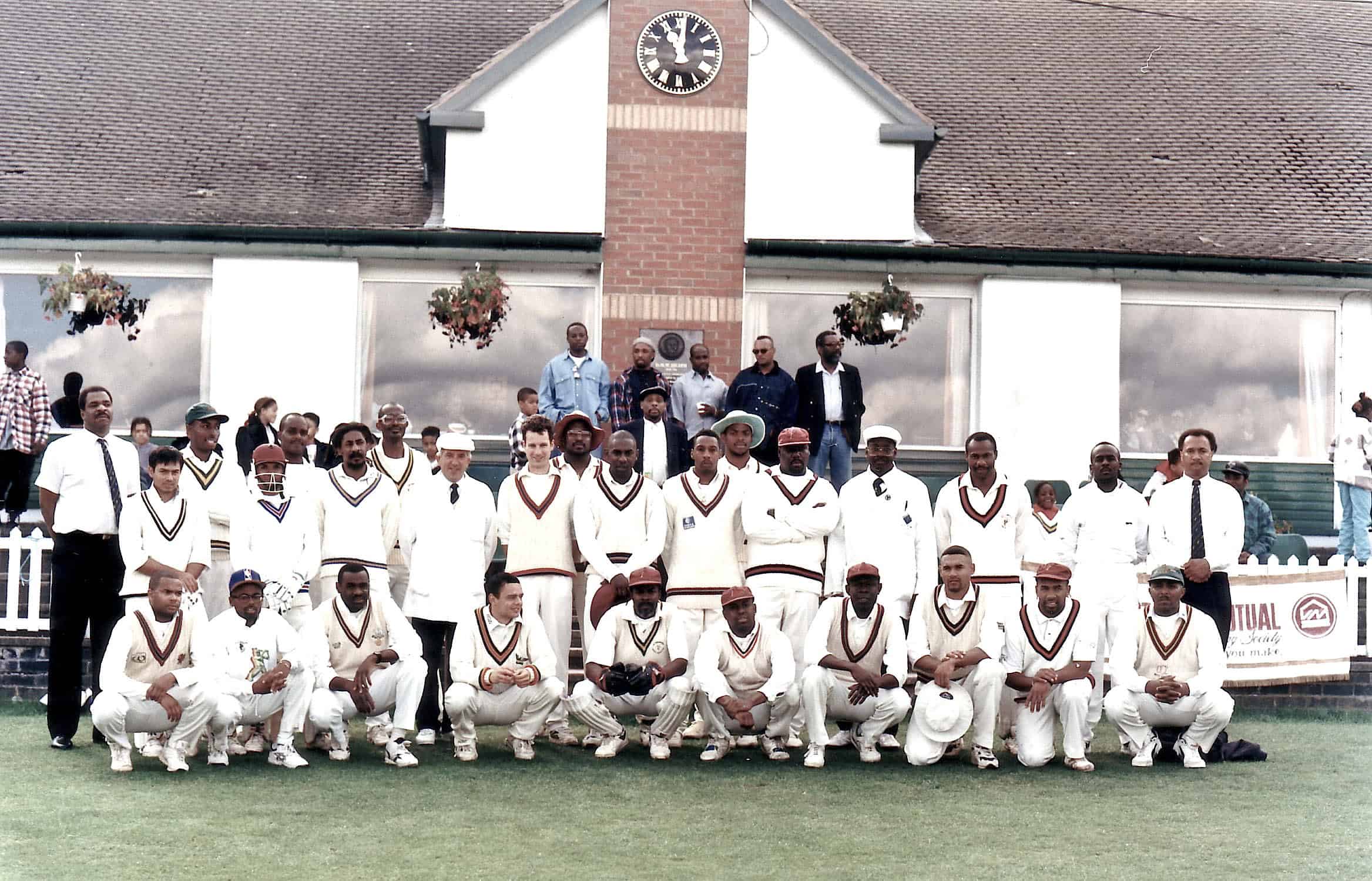
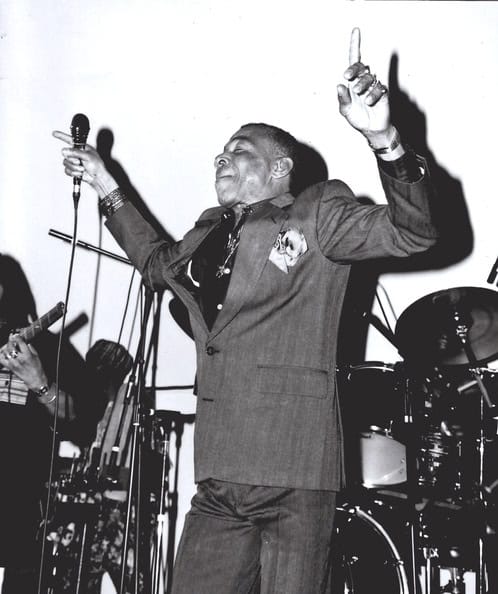
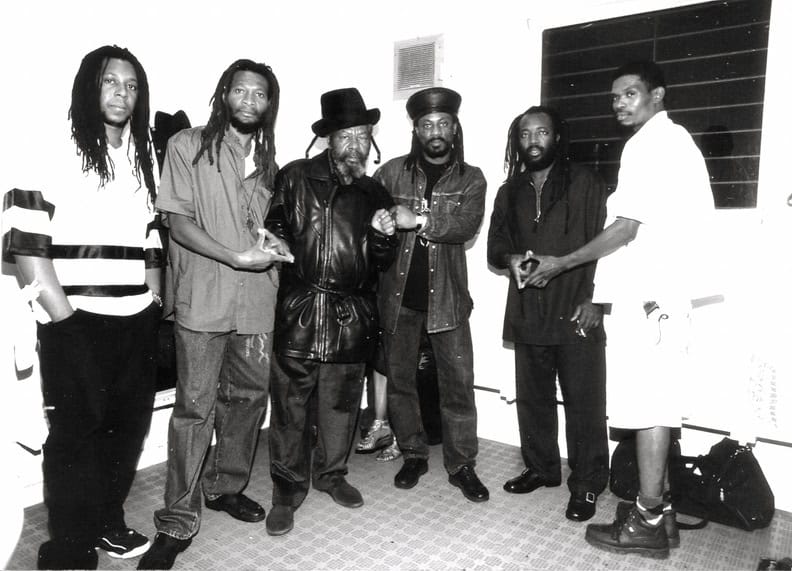
Sporting events and music performances
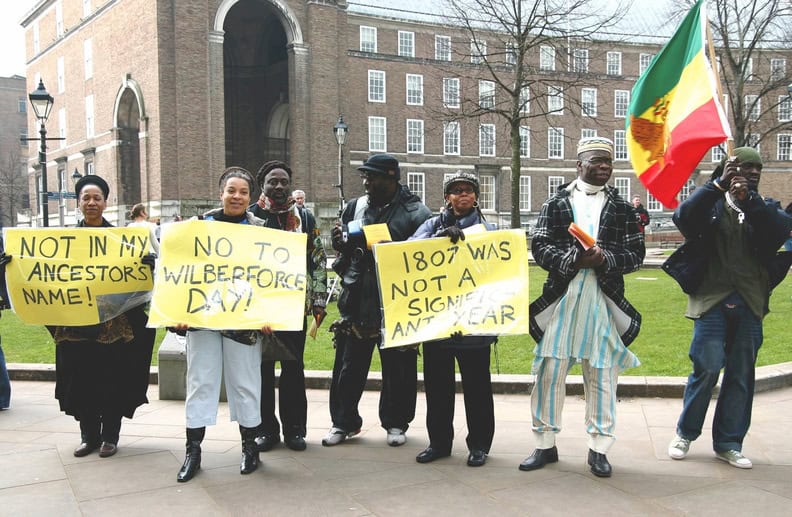
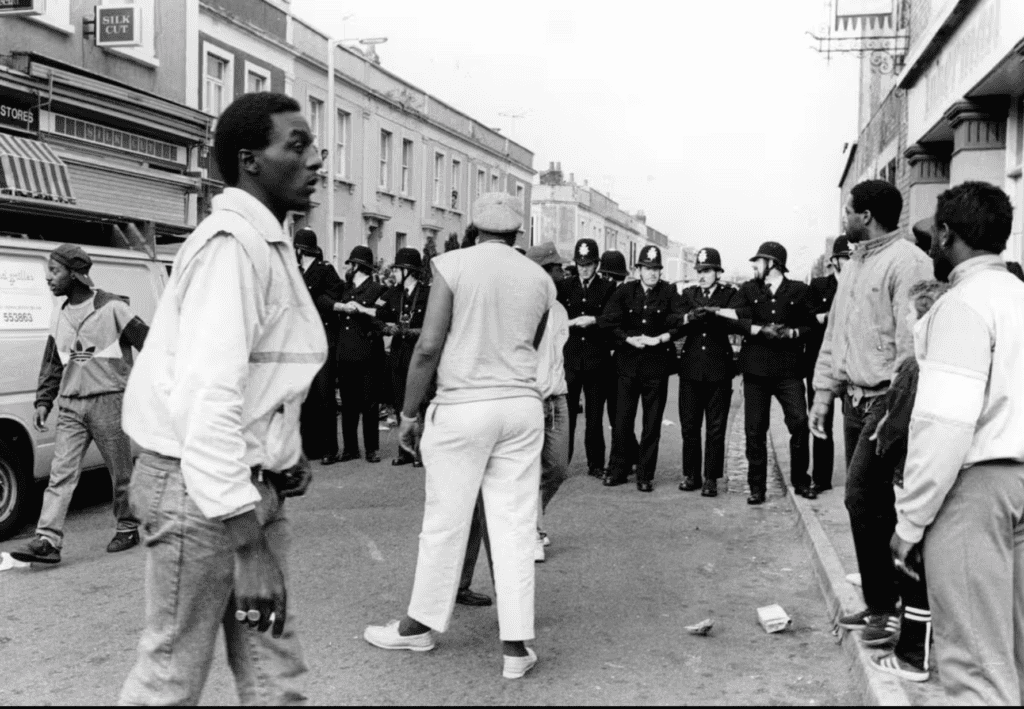
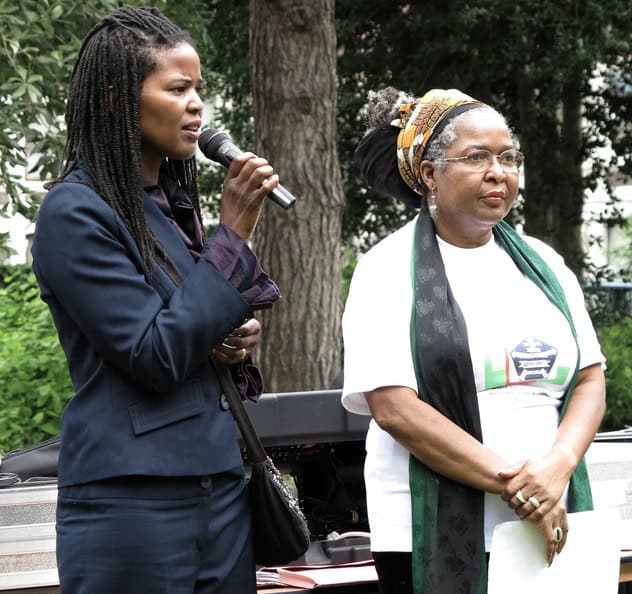
Political meetings and community activism
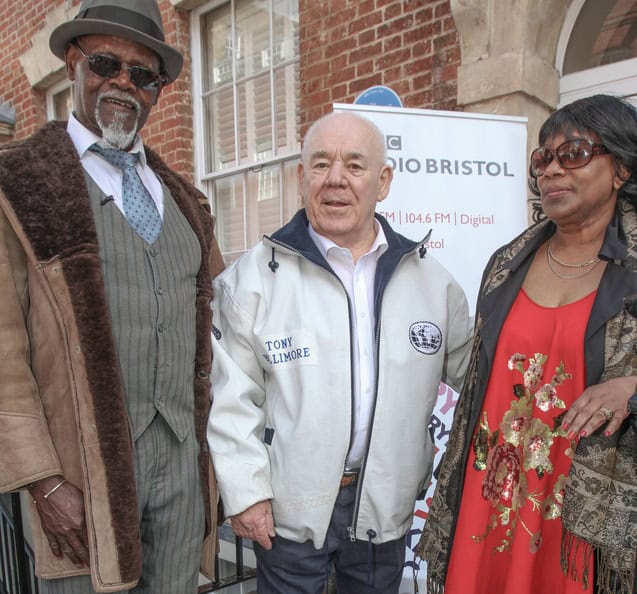
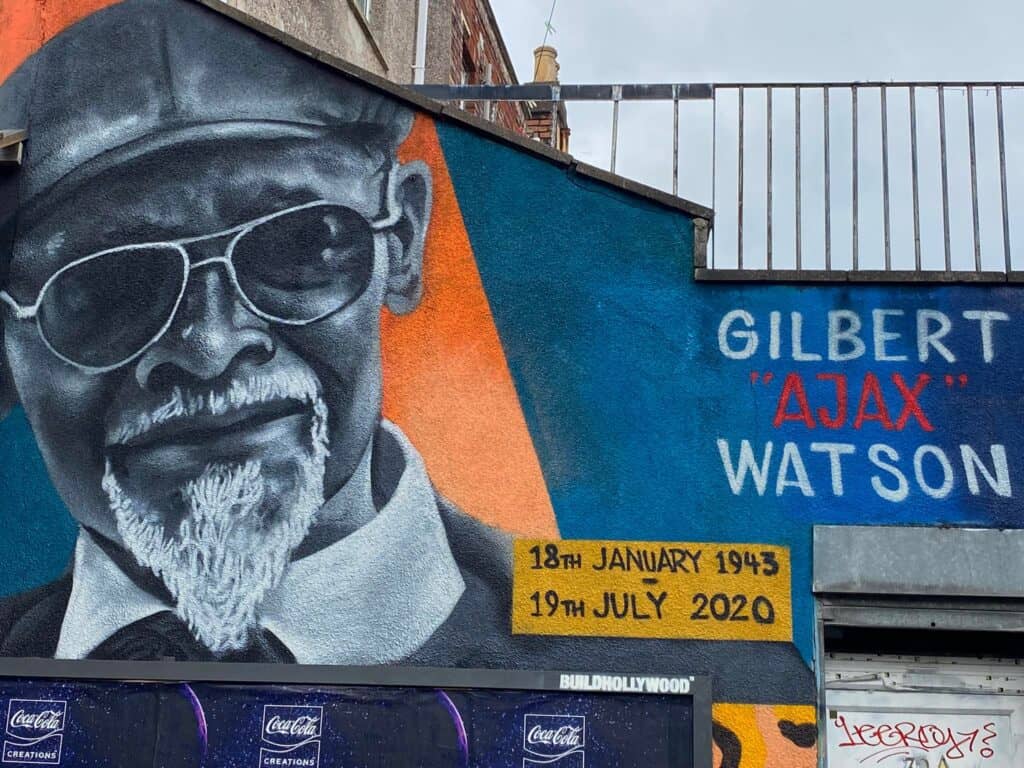
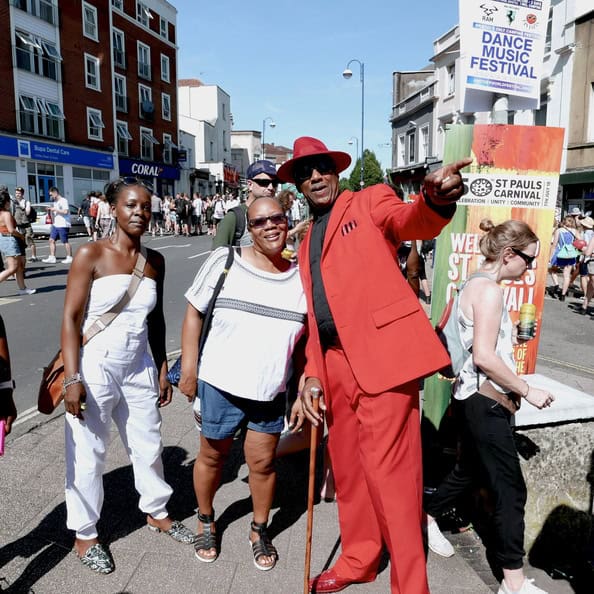
The presence of key leaders and cultural figures
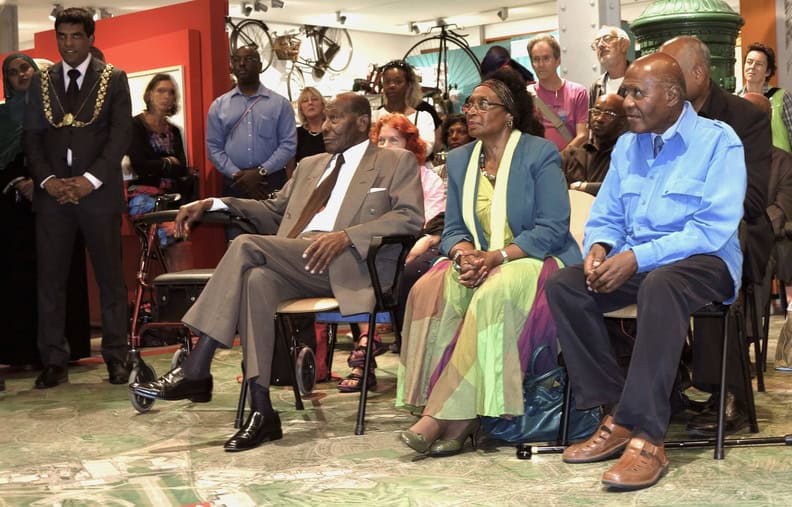
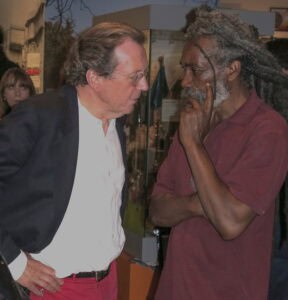
Among the many people he photographed was civil rights leader Paul Stephenson, one of the central figures in the Bristol Bus Boycott and the broader struggle for racial equality in the city.
Karl approached his work seriously, often describing photography as an art form rather than simply a hobby. In doing so, he challenged the idea that everyday Black life was unworthy of documentation.
His images insisted that these stories mattered, that Black achievement, community pride and collective struggle deserved to be seen and remembered
A Living Archive of Community Memory
Karl Ritchie’s archive spans nearly five decades, from the 1960s through to 2007.
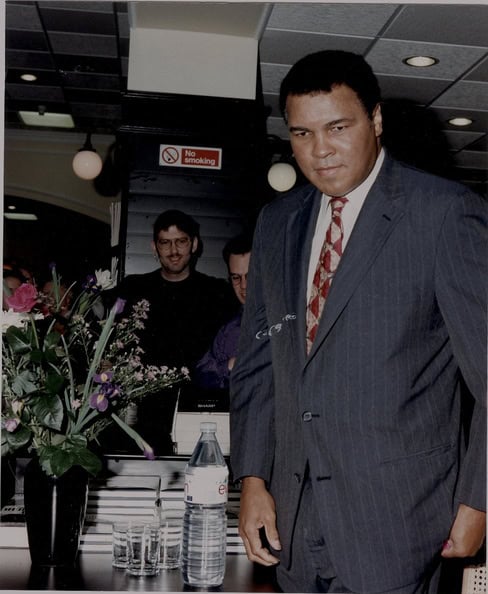
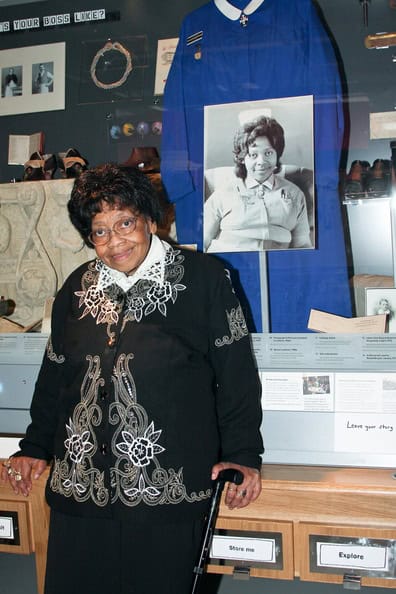
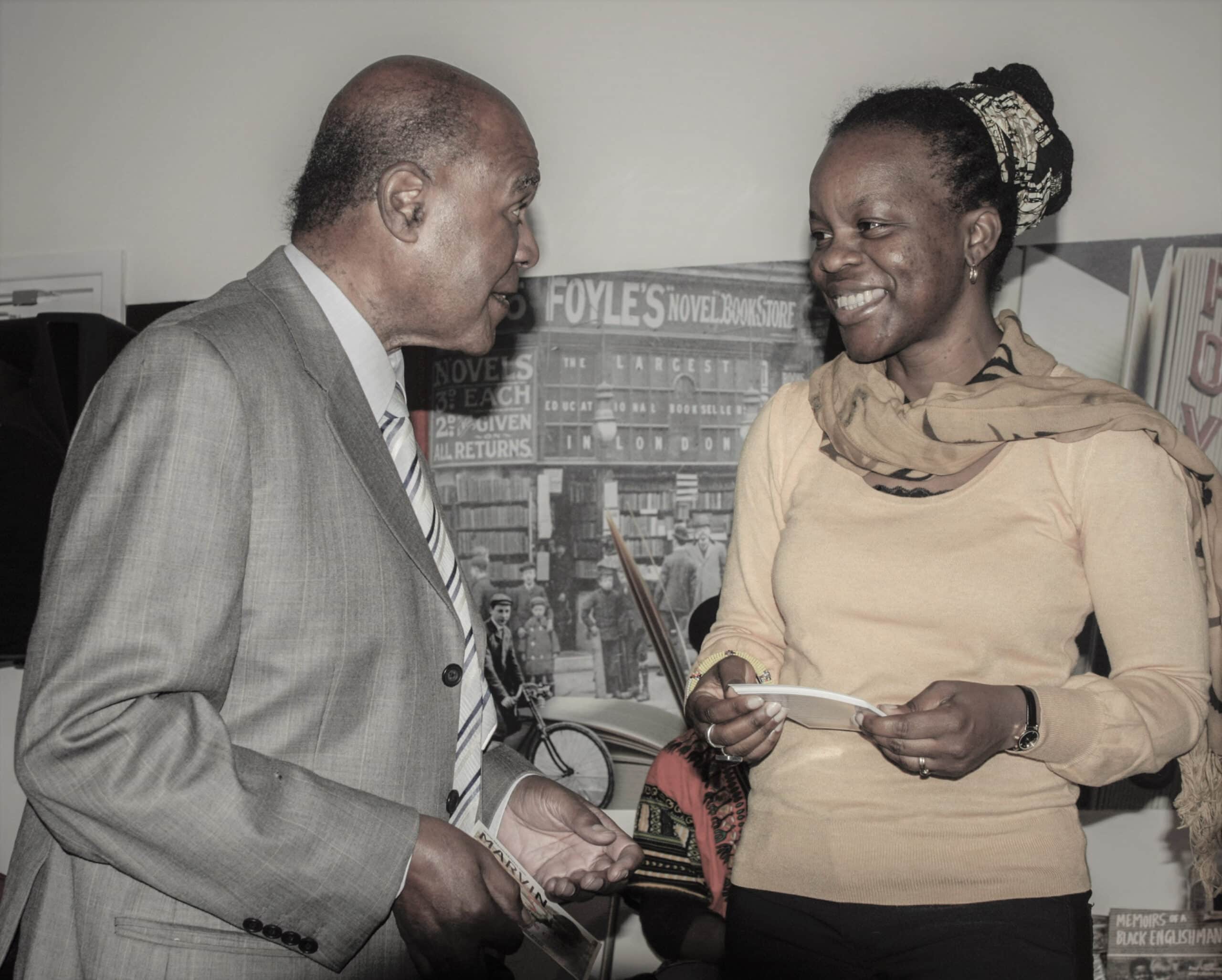
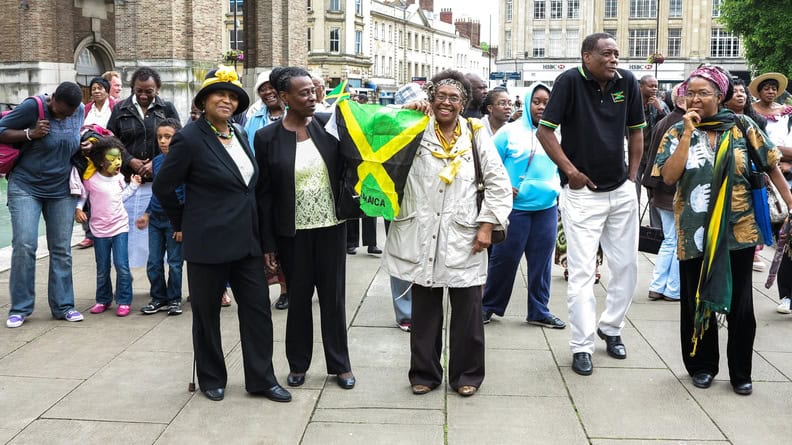
The collection documents a remarkable breadth of cultural life from sport and music to political activism, celebrity visits and community milestones.
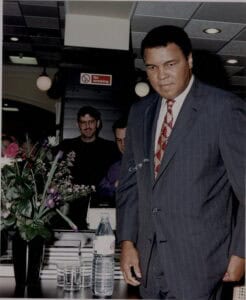
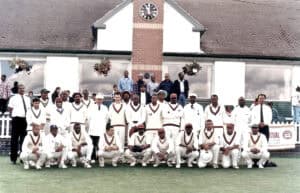
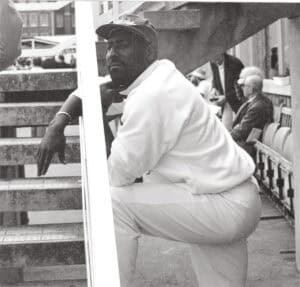
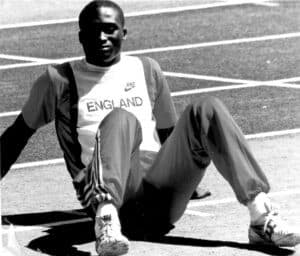
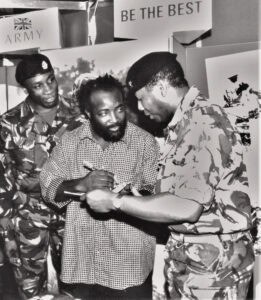
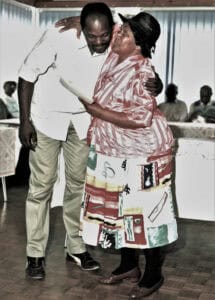
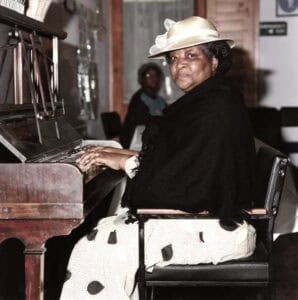
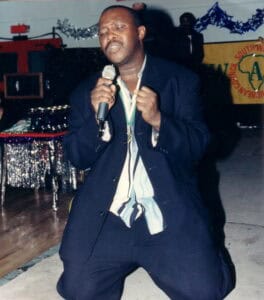
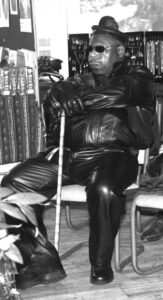
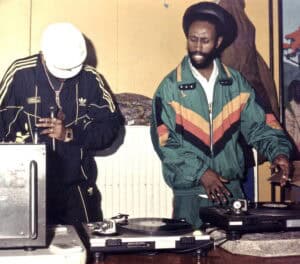
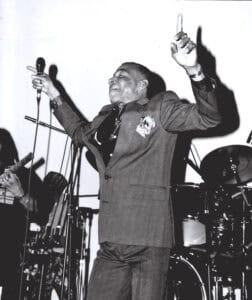
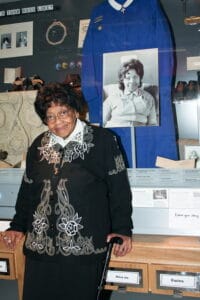
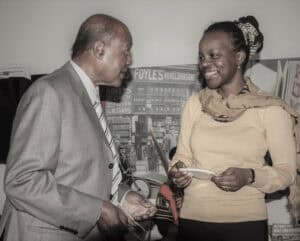
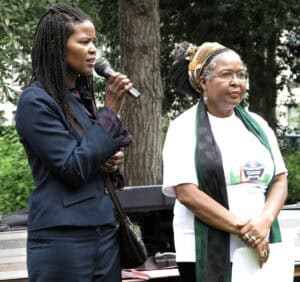

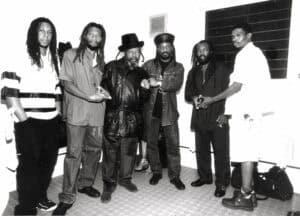

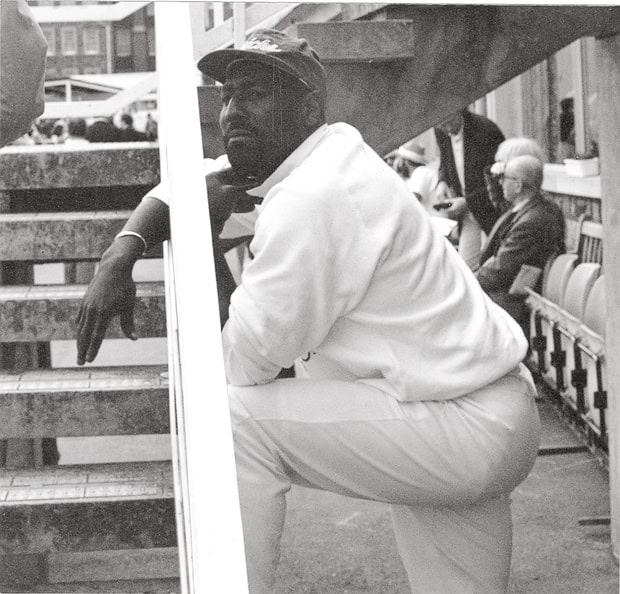
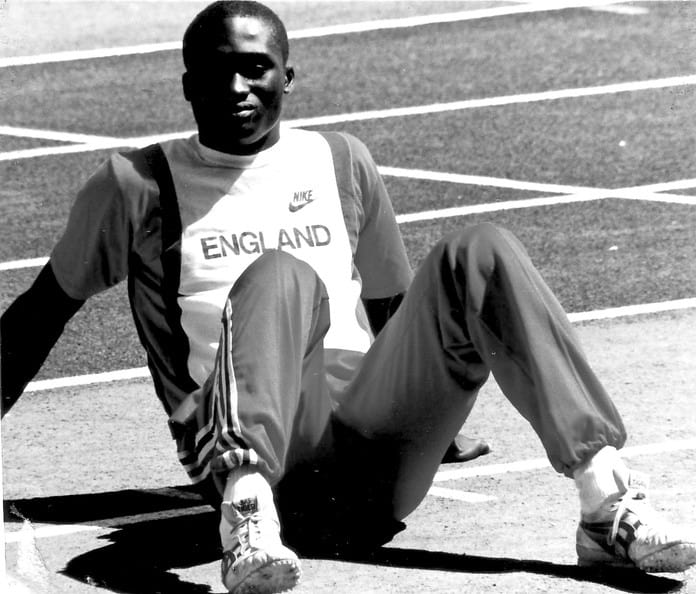
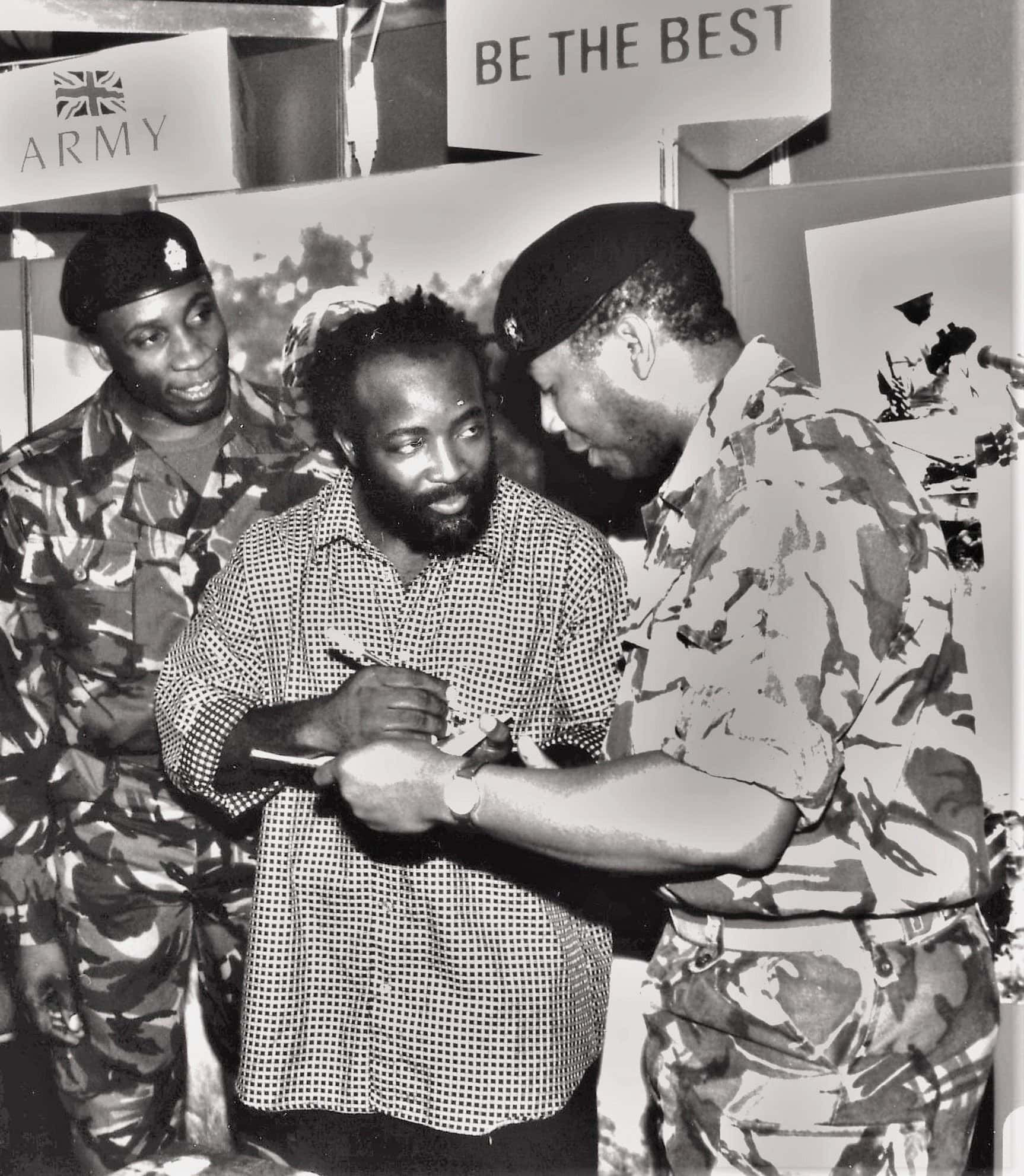
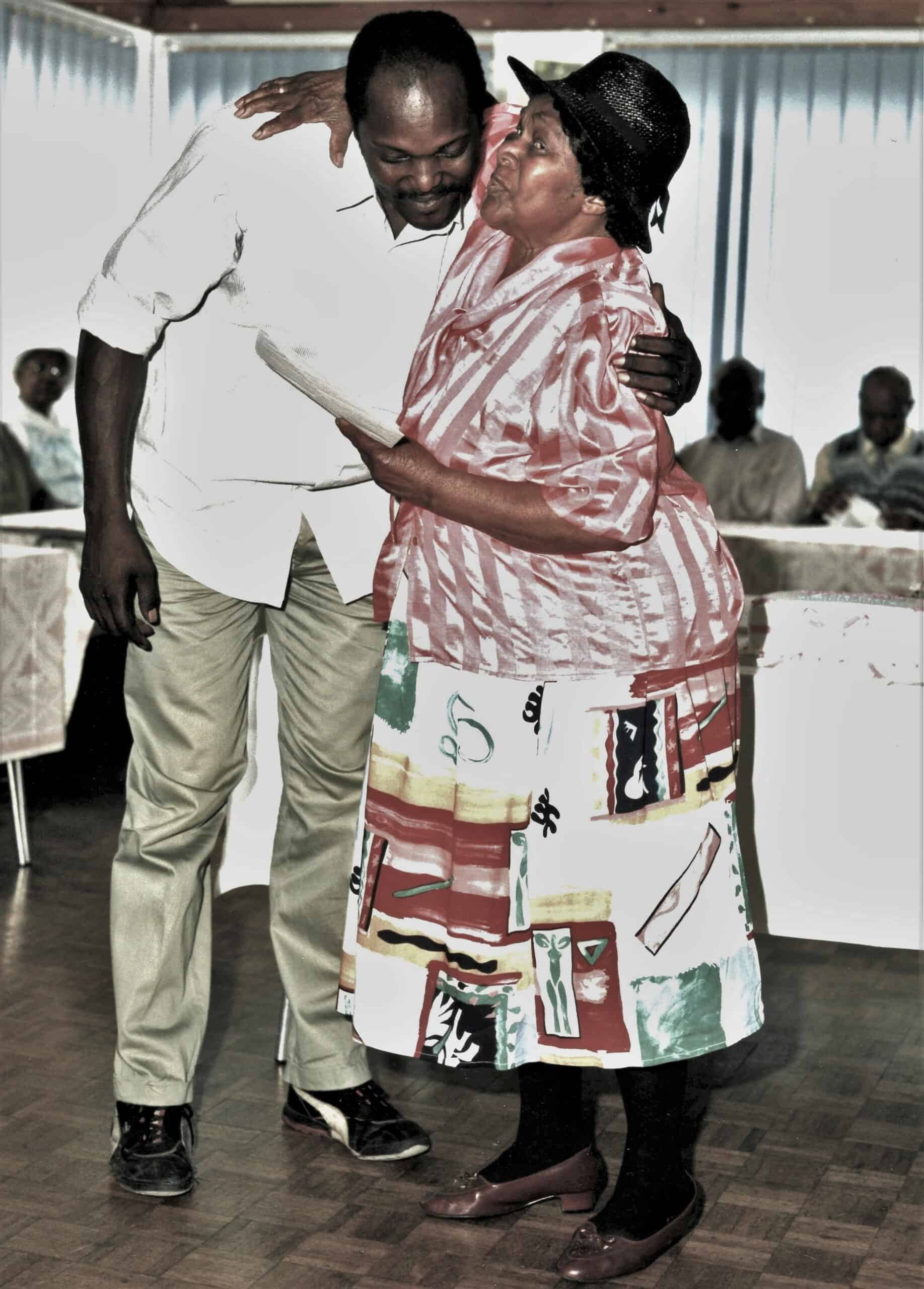
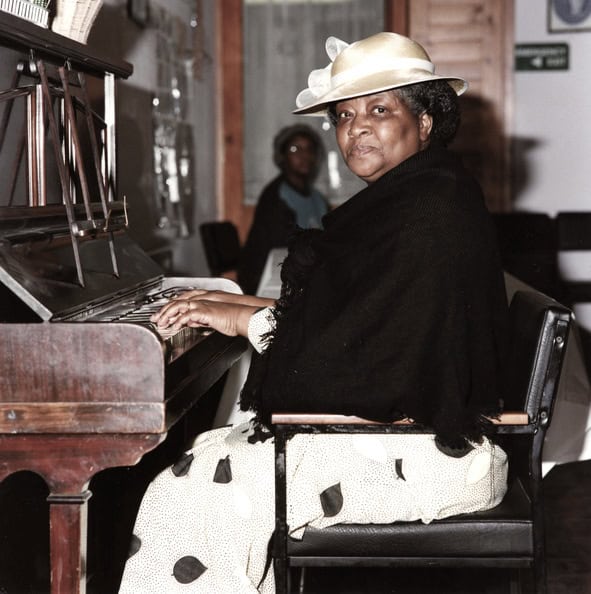
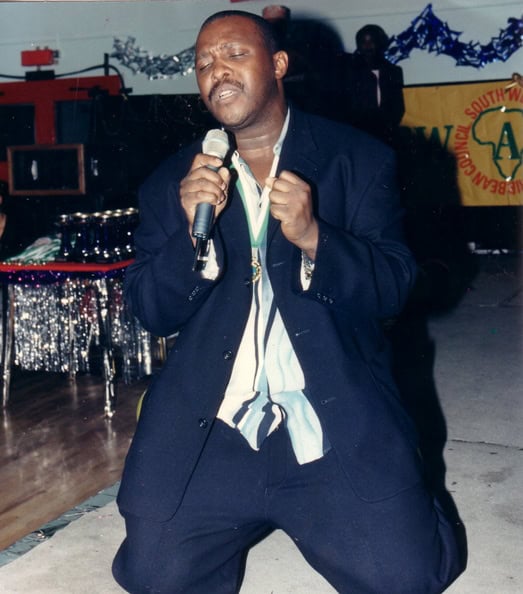
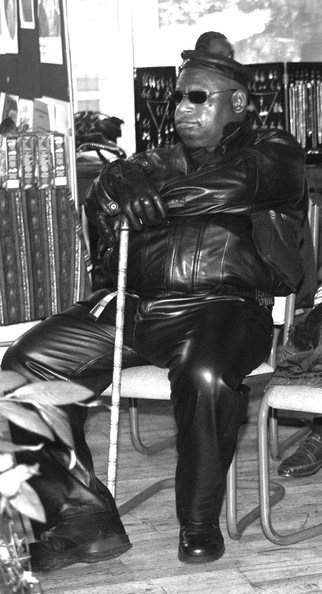
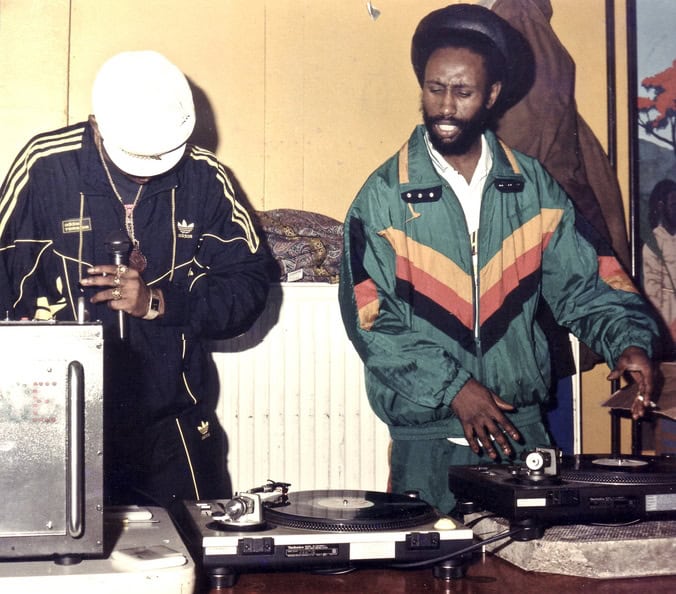
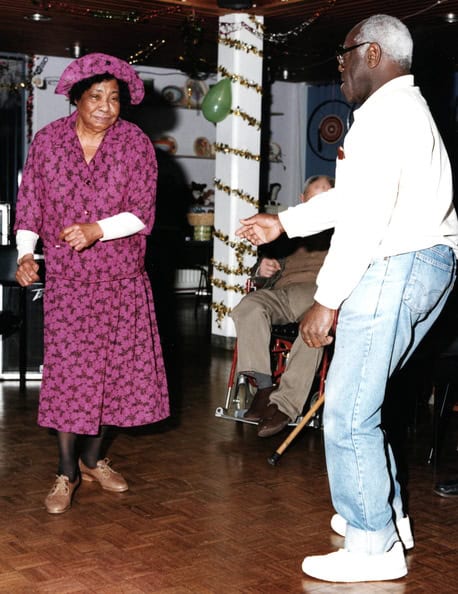
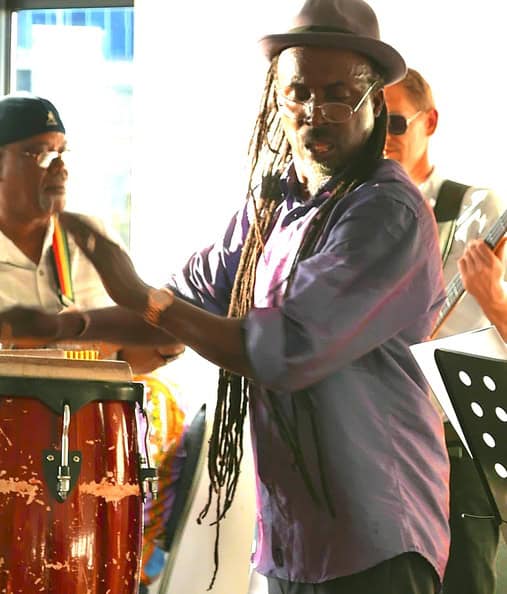
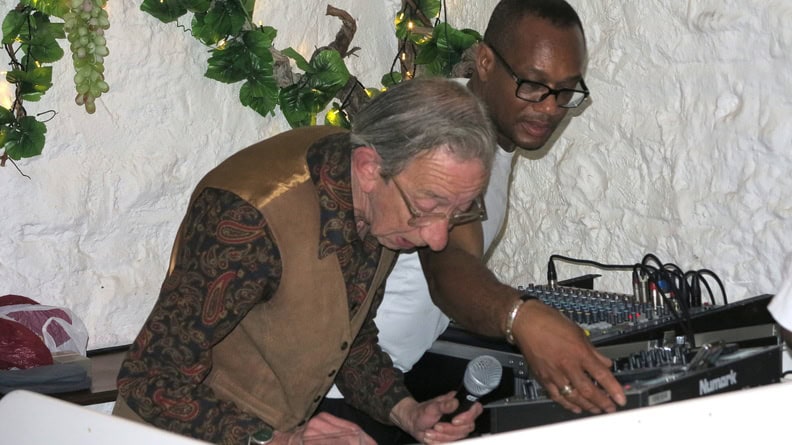
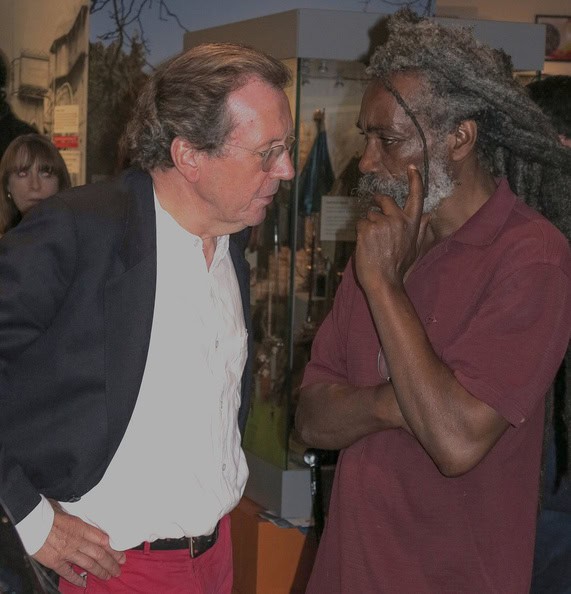
In recent years, Karl’s contribution has received renewed recognition.
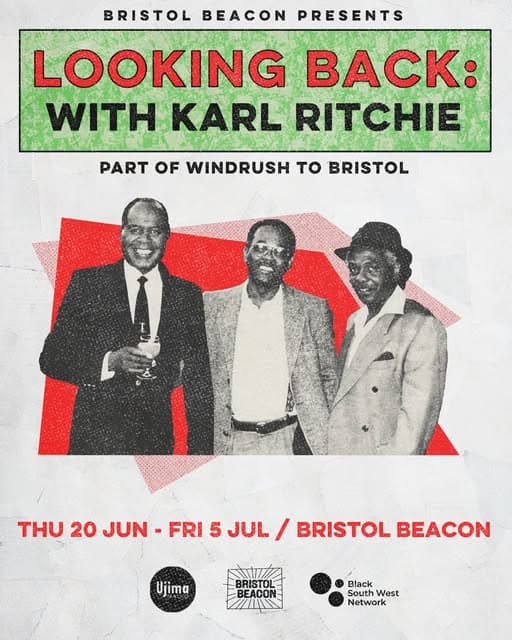
His work was celebrated in the exhibition Looking Back: with Karl Ritchie, hosted at the Bristol Beacon as part of the wider Windrush to Bristol programme. The exhibition brought together a selection of photographs from his vast archive, highlighting how his lens captured both the intimate and the historic moments that shaped the city.
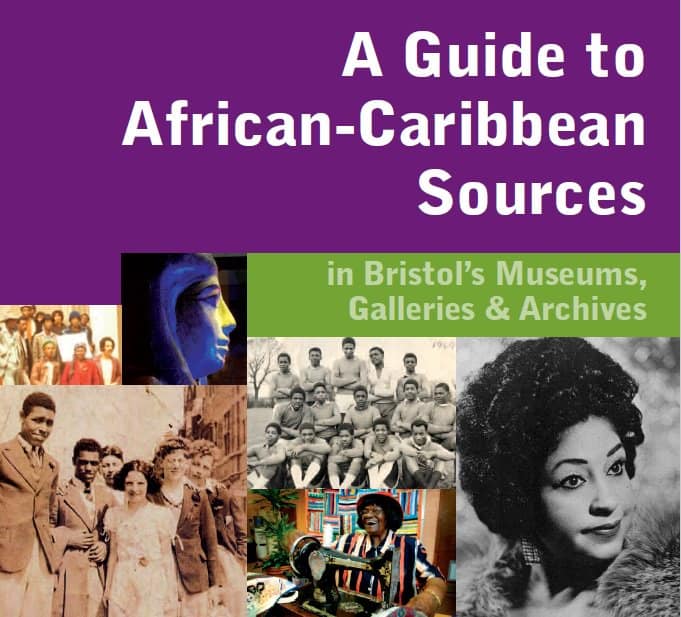
Recognising the historical importance of this work, his photographs were later preserved through the Bristol Black Archives Partnership, helping to ensure that future generations could access this vital visual history.
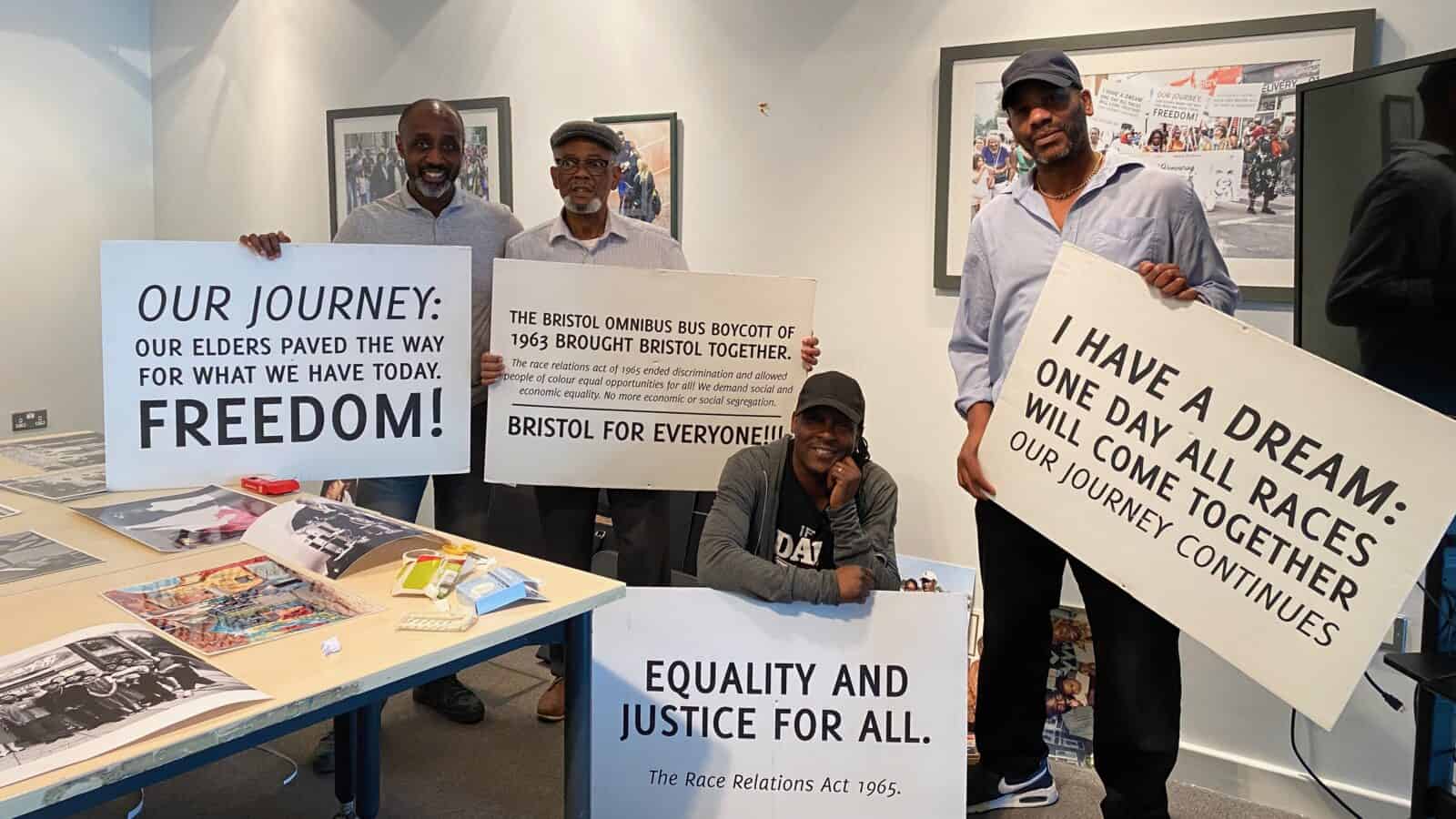
Supported by organisations such as Ujima Radio, Julz Davis and community heritage groups, Karl’s photography continues to function as Bristol’s collective memory a visual record of community resilience, pride and transformation.
Why Karl Ritchie’s Work Matters Today
Karl Ritchie’s legacy reminds us of a simple but powerful truth:
History is not only written, it is also photographed.
Without photographers like Karl, many of the stories of Bristol’s Caribbean and African community might have been lost. His images preserve not only faces and places, but also the spirit of a generation that built institutions, challenged injustice and created new cultural landscapes in Britain.
In many ways, Karl’s work embodies the very purpose of Black History Month ensuring that the brilliance, creativity and contribution of Black communities are documented, celebrated and passed on.