

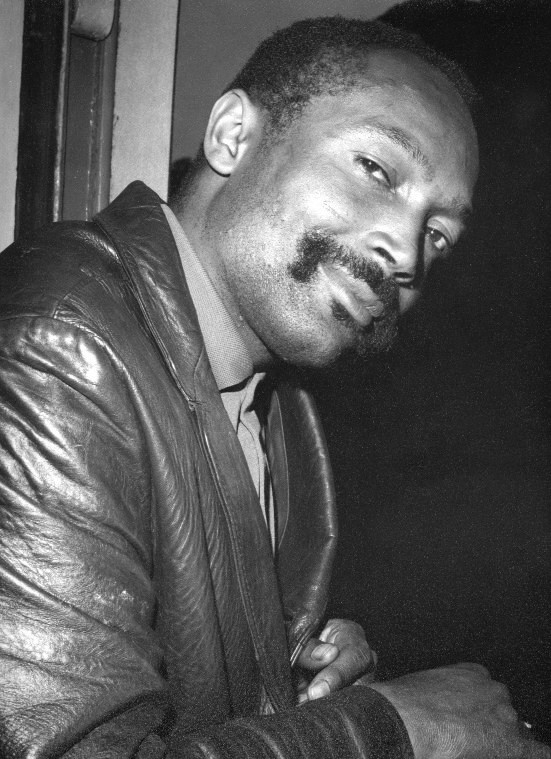
Have you ever walked past the corner of Ashley Road and Grosvenor Road in St Paul’s, Bristol and noticed the bronze bust of a man? That striking sculpture commemorates Alfred Fagon a playwright, poet, actor and one of the most influential figures in Black British theatre. Fagon once said that very intersection was “the heart of St Paul’s,” and his legacy continues to resonate across Bristol and beyond.
If you’re unfamiliar with his story, you’re missing a remarkable example of artistic courage, resilience and cultural insight.
From Jamaica to England
Alfred Fagon was born on 25 June 1937 in Clarendon, Jamaica, into a large family with eight brothers and two sisters. He came to England in 1955 to join his family and began working with British Rail in Nottingham.
In 1958 he joined the Royal Corps of Signals and became Middleweight Boxing Champion in 1962. After leaving the army, he travelled the UK performing calypso and later trained and worked as a welder before settling in St Paul’s, Bristol, where his artistic journey truly began.
Finding His Voice on Stage
Fagon’s acting debut was at the Bristol Arts Centre, where he appeared as the Nigerian Officer Orara in Henry Livings’ The Little Mrs Foster Show (1966). In 1970, he appeared in Black Pieces, written by Mustapha Matura and staged at the Institute of Contemporary Arts (ICA) in London, part of one of the earliest Black theatre seasons in the UK.
Inspired by this experience, Fagon began writing his own plays rooted in lived experience, community life, and Black British identity.
Plays include:
- 11 Josephine House (1972)
- Shakespeare Country (1973)
- No Soldiers in St Paul’s (1974)
- The Death of A Black Man (1975)
- Four Hundred Pounds (1983)
- Lonely Cowboy (1985)

Sudden Death and Posthumous Honour
In August 1986, Fagon suffered a fatal heart attack while jogging near his home in London and, in a tragic oversight, was initially unrecognised by police, leading to a pauper’s funeral. It was only when he missed a BBC meeting that his agent, Harriet Cruickshank, raised the alarm and his family discovered what had happened.
To celebrate his life, friends and colleagues organised a memorial at the Tricycle Theatre (now the Kiln) in London. Donations collected formed the basis of the Alfred Fagon Award, first presented in 1997 to recognise new plays by Black British playwrights of Caribbean descent.

A Statue at the Heart of St Paul’s
On 29 August 1987, the friends of Alfred Fagon, including civil rights leader Paul Stephenson OBE unveiled a bronze bust by David G. Mutasa on the corner of Ashley Road and Grosvenor Road in St Paul’s.
The location was chosen because Fagon often said, “The heart of St Paul’s is at the corner of Ashley Road and Grosvenor Road.”
Today, it remains the only public artwork in Bristol commemorating an African Caribbean man and holds Grade II listed status for its historic and cultural importance.
Why Alfred Fagon Matters Today
Fagon’s plays captured the voices and lived realities of Black Britain at a time of deep social change. He spoke with wit, urgency and humanity about identity, belonging and the experience of the Caribbean diaspora in the UK, themes with enduring relevance today.
And as Dominic Cavendish observed:
“This deserved revival of Alfred Fagon’s pioneering play shows his remarkable way with words.” Daily Telegraph
His work not only enriched British theatre but also helped open space for later generations of Black writers and performers.
Explore Further
Alfred Fagon’s life shows the power of storytelling rooted in real lives and communities. From St Paul’s to national stages, his legacy reminds us that art can reflect, challenge and transform.
Discover more of his plays, learn about the Alfred Fagon Award, and explore his extraordinary life in the Bristol Black History Month Magazine and One Bristol Curriculum educational resources.

